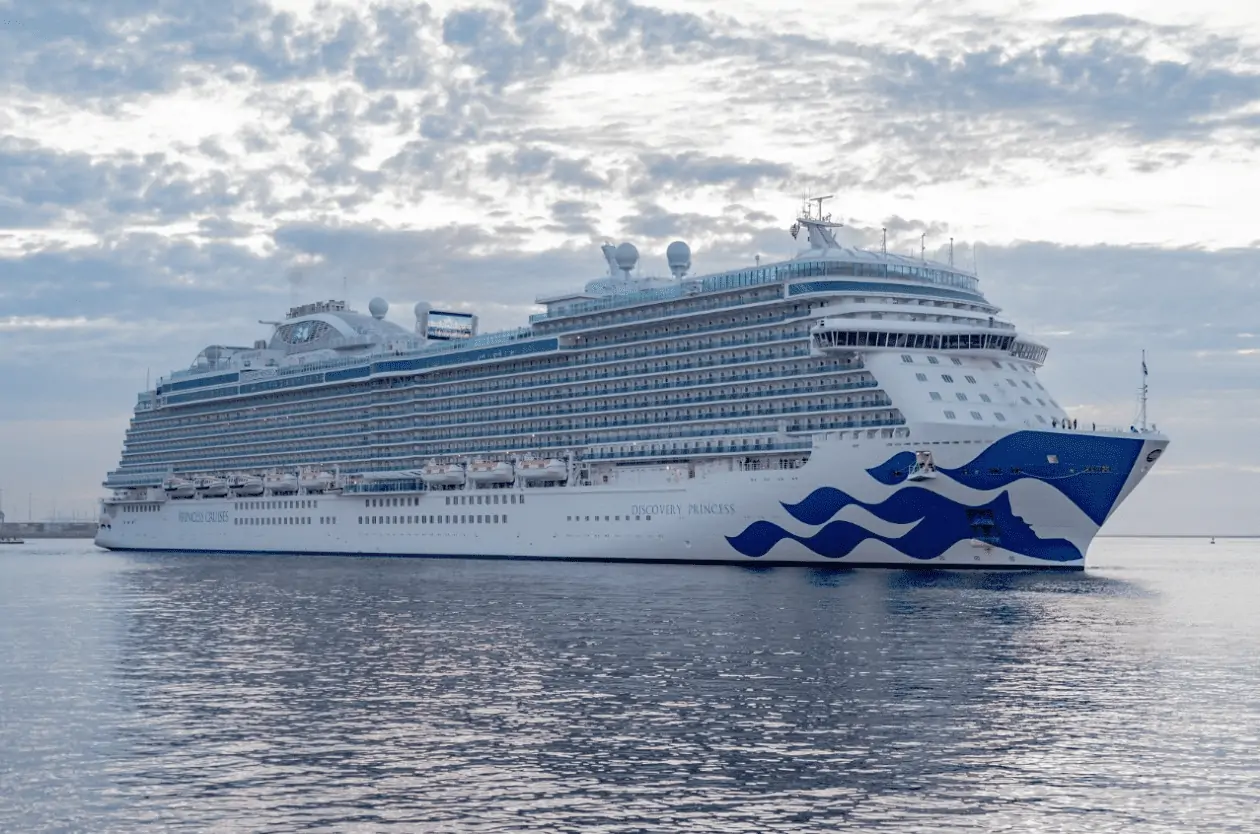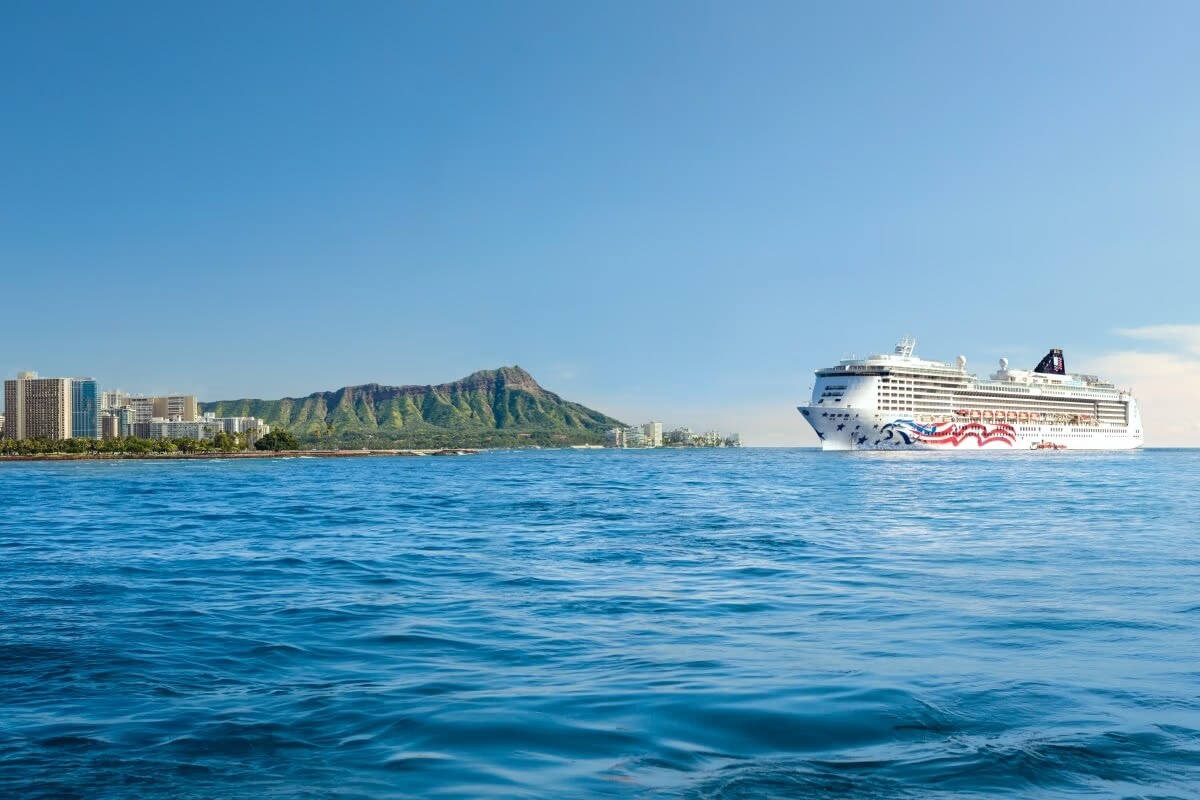
Cruises that cross multiple climate zones offer variety and contrast within a single trip. You might experience tropical heat one day and cool coastal weather the next, sometimes within the same week.
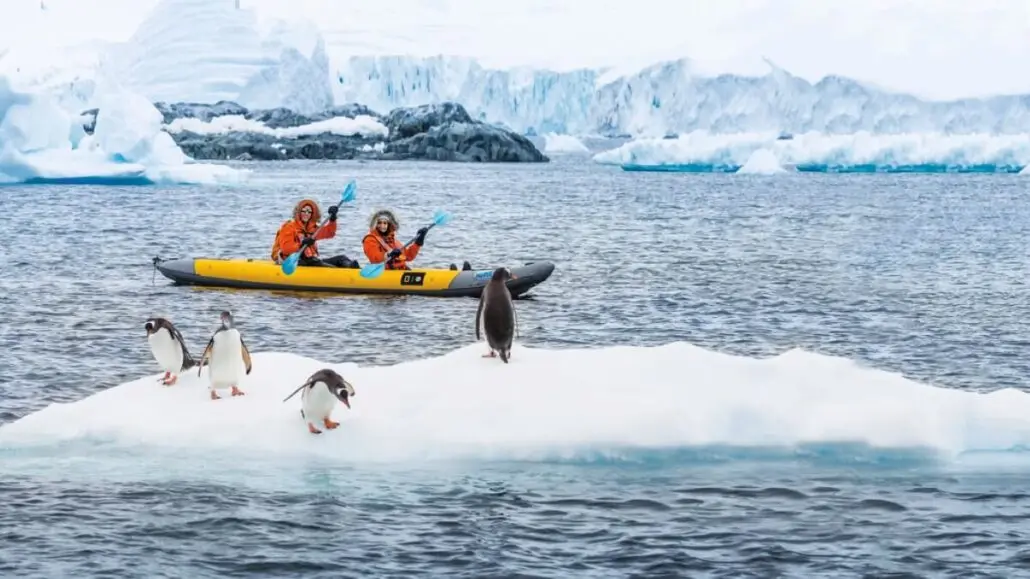
Packing effectively for these shifts requires planning rather than simply bringing more items.
Limited cabin space and airline luggage restrictions make overpacking impractical. The goal is to prepare for changing conditions while keeping your wardrobe and gear manageable. Smart packing focuses on adaptability, layering, and thoughtful item selection.
Preparing for Changing Conditions Early
Before packing anything, review the itinerary carefully. Note the regions, typical seasonal weather, and whether the cruise includes sea days or overnight port stays. This context informs every packing decision that follows.
Some travelers also think about communication tools during port days or excursions. Mobile radios are occasionally used in group travel situations, and keeping essentials like Motorola radio batteries organized ensures equipment remains usable if brought along.
While not required for most cruisers, planning for accessories follows the same logic as preparing for weather changes.
Layering as a Core Strategy
Layering is one of the most effective ways to handle varying climates. Lightweight base layers can be worn alone in warm destinations or combined with insulating pieces in cooler regions. This approach reduces the need for bulky, single-purpose clothing.
Mid-layers such as light sweaters or fleece jackets provide warmth without taking up much space. Outer layers, like a packable jacket, protect against wind or rain and can be easily removed. Together, these pieces adapt to a wide range of temperatures.
Fabrics That Work Across Climates

Choosing the right clothes for traveling is essential. Look for garments made from breathable, moisture-wicking materials that help regulate body temperature in warm and humid environments. These fabrics also dry faster, which is helpful when laundry access is limited.
In cooler climates, the same materials can be layered effectively. Natural fibers like merino wool are often favored because they provide insulation while remaining breathable. Selecting versatile fabrics reduces the total number of items you need to pack.
Footwear for Diverse Destinations
Footwear presents a common packing challenge on multi-climate cruises. Space constraints limit how many pairs you can reasonably bring. Selecting shoes that perform well in multiple settings is essential.
Comfortable walking shoes are usually the highest priority, as they suit both sightseeing and casual onboard activities. A second pair, such as sandals or dress shoes, can cover warm-weather excursions or formal evenings. Weather-resistant options add flexibility in cooler or wetter ports.
Accessories That Add Flexibility
Small accessories can significantly expand your comfort range. Scarves, hats, and lightweight gloves take up minimal space but provide warmth when temperatures drop. They can be easily removed and stored when not needed.
Sun protection accessories are equally important in warmer regions. Sunglasses and a packable hat help manage intense sunlight without adding bulk. These items offer practical benefits across multiple climates.
Managing Cabin Storage Efficiently
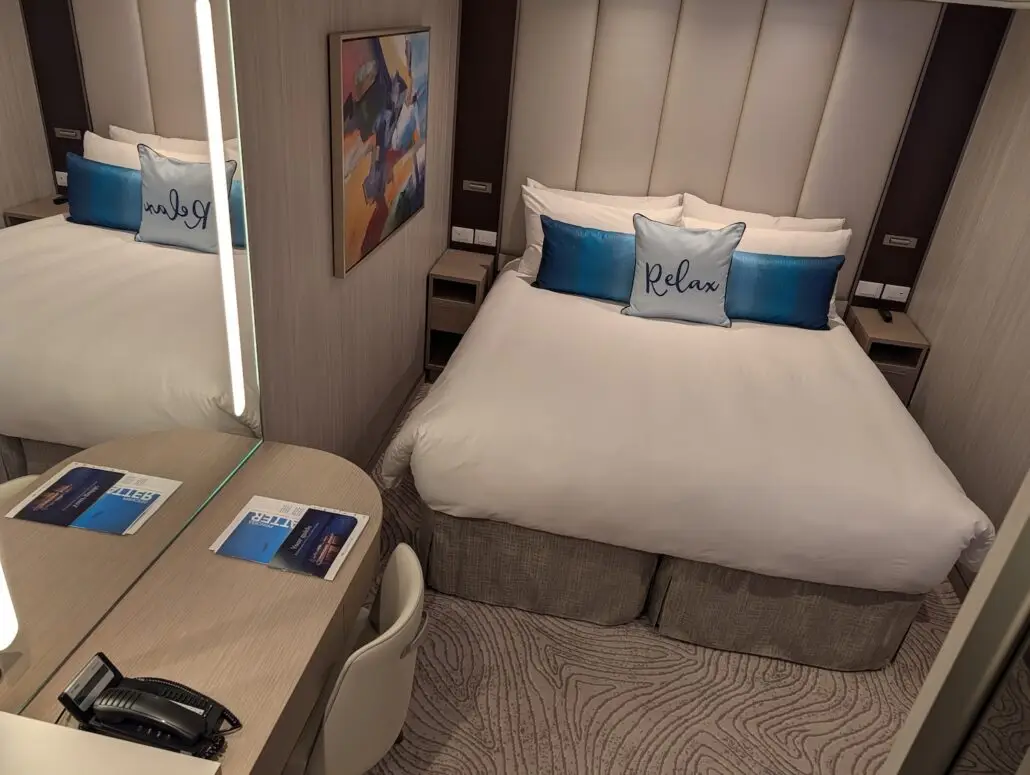
Cruise cabins are designed for efficiency, not excess storage. Using packing cubes or compression bags helps keep clothing organized and accessible. This is particularly helpful when rotating outfits for different climates.
Separating warm-weather and cool-weather items allows you to retrieve what you need quickly. Keeping rarely used items stowed reduces clutter and makes daily routines smoother. E
Efficient storage supports adaptability throughout the trip.
Laundry Planning on Longer Cruises
Many multi-climate itineraries span more than a week. Laundry services or self-service facilities are often available onboard, though availability varies by ship. Planning to do laundry once can significantly reduce how much you need to pack.
Quick-drying fabrics make hand-washing feasible if needed. Rewearing versatile items after laundering helps maintain a streamlined wardrobe. This approach supports smart packing without sacrificing comfort.
Balancing Comfort With Practicality
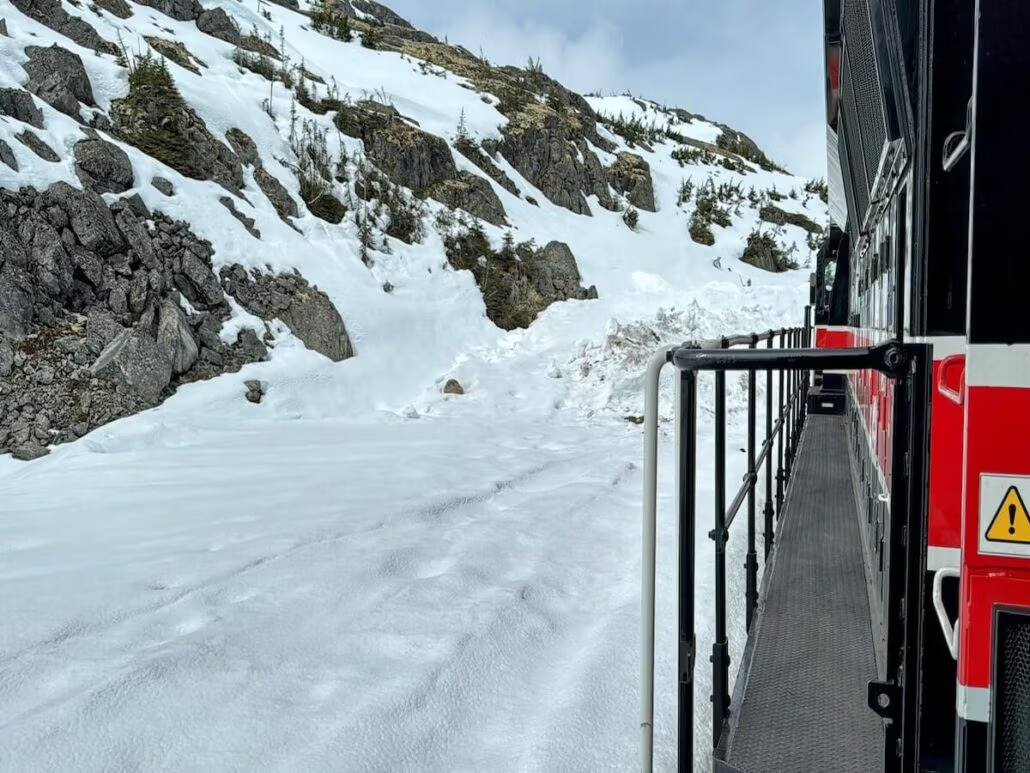
Packing for multiple climate zones is ultimately about balance. You want to be prepared without feeling burdened by excess gear. Each item should earn its place by serving multiple purposes.
Thoughtful selection reduces decision fatigue during the trip. When everything works together, adjusting to a new climate becomes routine rather than stressful. This balance enhances the overall cruise experience.
Adapting as the Journey Unfolds
A cruise that spans different climates highlights the value of flexibility. Weather can change unexpectedly, and personal comfort needs may shift over time. Packing with adaptability in mind allows you to respond with ease.
Rather than aiming for perfect preparation, focus on readiness.
When your clothing and gear can adjust along with the itinerary, you spend less time managing logistics and more time enjoying the journey itself.