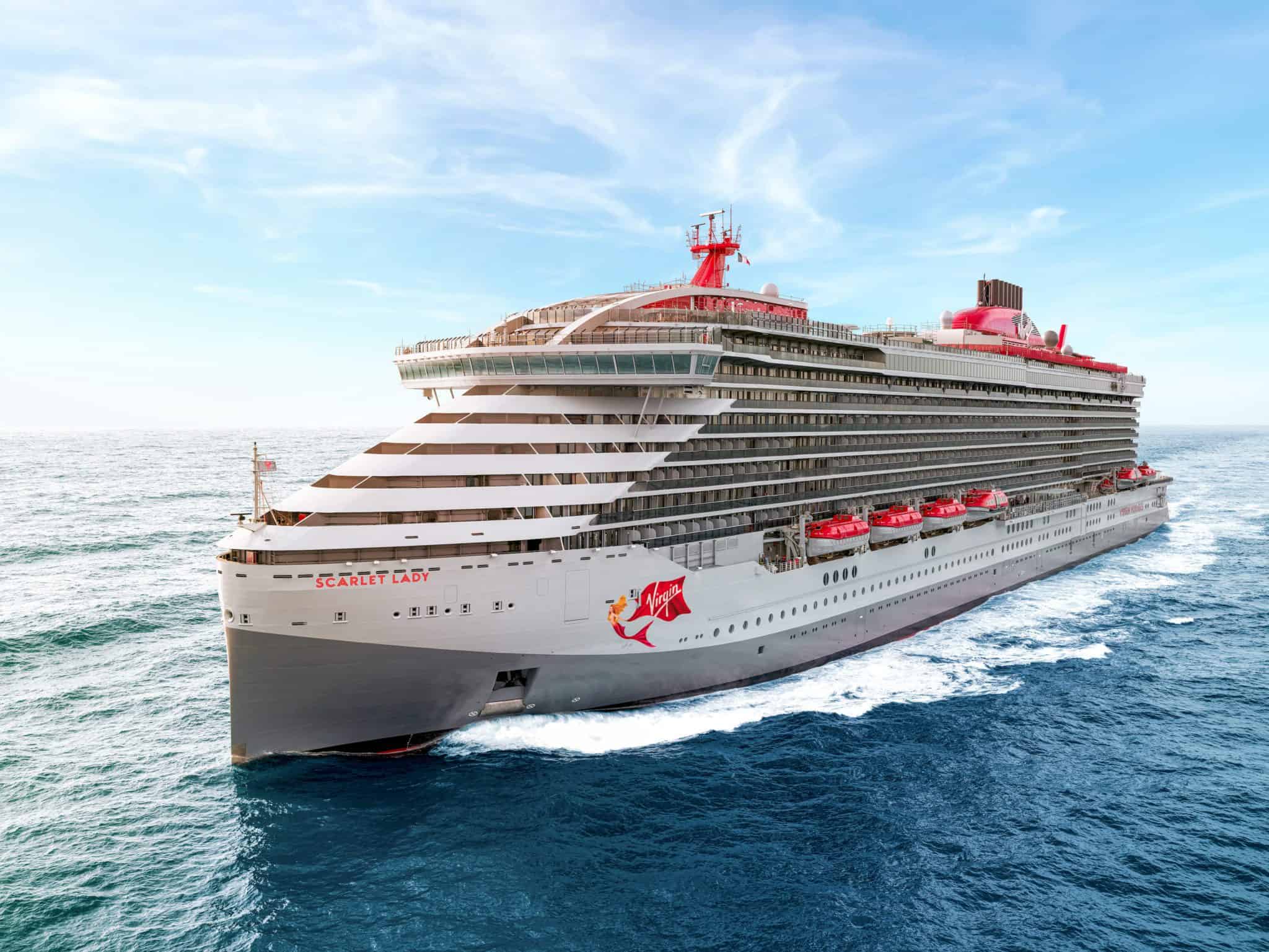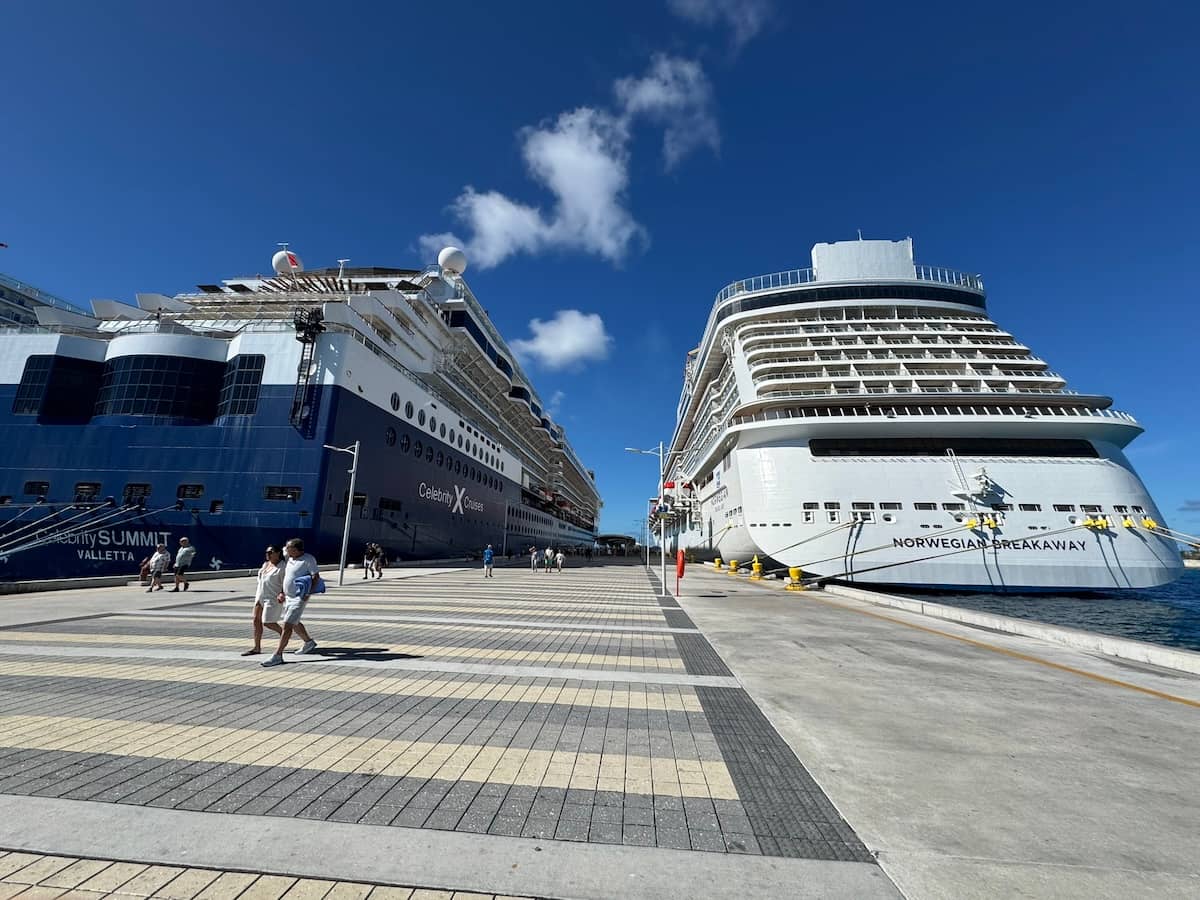
A fall on a cruise ship deck is not handled the way a fall in a grocery store parking lot is handled.

Different court, different deadline, different rulebook. Most passengers never learn this until they are already hurt and the clock is running against them.
The numbers are not small. The U.S. Coast Guard counted 2,170 injuries across 3,887 boating accidents in 2024 alone.
Cruise ships add their own tally: 2024 brought 19 reported man-overboard cases across the major lines, on top of the routine slips, trips, and shore-excursion mishaps that rarely make the news.
If you spend time on the water, it helps to know how the law treats an injury out there, because it treats it very differently from an injury on land.
The water runs on its own body of law
Injuries that happen on navigable water fall under maritime law (also called admiralty law), a separate legal system that predates most state injury statutes. It carries its own rules about who is responsible, where you can sue, and how long you have to do it.
A local attorney who is excellent with car accidents can still miss the maritime deadlines, because those deadlines live in federal law and in the contract you agreed to when you booked.
Passengers and crew are not covered by the same rules

Two very different sets of rules apply, depending on who got hurt.
If you are a passenger, the cruise line owes you reasonable care under the circumstances. When a wet deck, a broken railing, or a poorly run tender boat causes an injury, that can be negligence. But your ticket contract shapes almost everything about how you pursue it (more on that below).
If you are crew, a deckhand, a commercial fisherman, a dock worker, or a diver, you are likely covered by the Jones Act, a 1920 federal law that lets injured maritime workers sue their employer for negligence. The bar to show the employer played a part is famously low, which is one reason maritime workers should never sign anything from an insurer before talking to a lawyer.
The fine print on your ticket can decide your case

Here is the part that surprises people most. The contract printed on the back of a cruise ticket, or buried in the online booking terms, usually does two things that can sink a claim:
- It tells you where you are allowed to sue, often a single court in one state, no matter where you live or where you got hurt.
- It shortens the deadline. Federal law lets cruise lines require written notice within six months and a filed lawsuit within one year, far less time than most state injury deadlines allow.
This is not theoretical. In the case of Carnival Cruise Lines v. Shute, a passenger slipped on a deck mat and the Supreme Court held her to the forum clause on her ticket, forcing the case to Florida even though she had bought her ticket in Washington. Miss the window or file in the wrong court, and a strong case can be over before it starts.
What actually hurts people on the water
Most injuries are not dramatic overboard events. They are:
- Slip-and-fall on wet decks, pool areas, and stairs
- Tender boats, gangways, and dock transfers
- Shore excursions and watersports run by third-party operators
- Foodborne illness and norovirus outbreaks
- Boating collisions, where the Coast Guard names operator inattention and inexperience as the top causes
One figure is worth keeping in mind: in 2024, 87 percent of the people who drowned in boating accidents were not wearing a life jacket. A life jacket is the cheapest legal protection you will ever buy.
If you are injured, do these five things
- Report it to the ship’s medical center or the vessel operator, and ask for a written incident report.
- Get treated onboard and keep every record, receipt, and discharge note.
- Document the scene: photograph the hazard and your injury, and collect the names of witnesses and crew.
- Keep your ticket and booking terms. Your real deadline is hiding in that document.
- Talk to a maritime attorney early, before you give a recorded statement or accept a quick settlement.
When it is worth calling a maritime lawyer
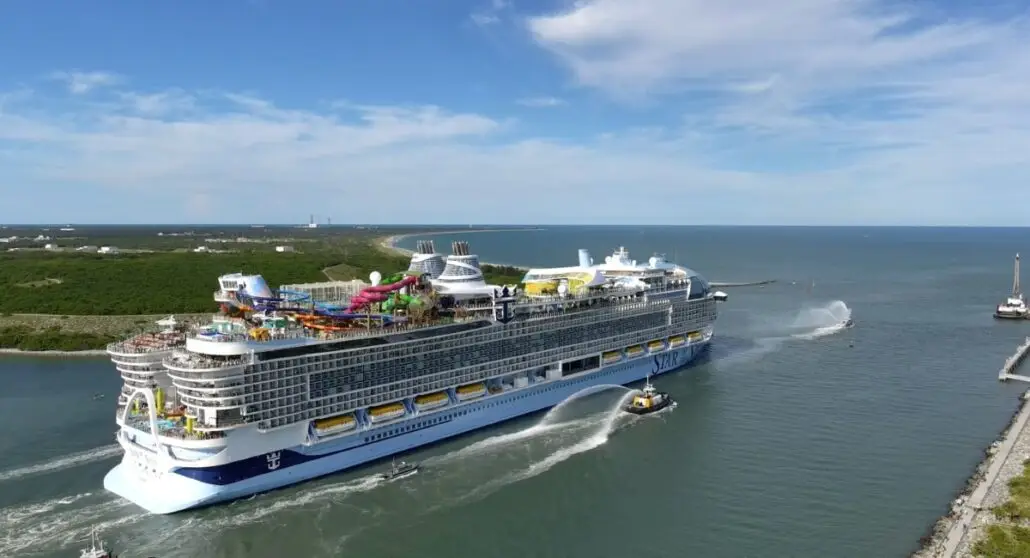
For a minor scrape, it usually is not. For anything involving a hospital, a lasting injury, or a death in the family, it is.
A boat accident attorney who works in maritime law can read your ticket contract, pin down the true deadline, name the right defendant, and file in the court the contract requires.
Those are the exact steps a general-practice lawyer is most likely to miss. Because the notice period can run as short as six months, waiting to see how an injury heals is often the most expensive choice an injured passenger makes.
BoatLaw, LLP has represented cruise passengers, commercial fishermen, and other maritime workers since 1977, across Washington, Oregon, California, and Alaska. The point here is not fear of the water. It is simpler: the water keeps its own rules and its own clock, and the people who protect their claim are the ones who learn both before they ever need them.