Cruise ships may appear to be floating hotels, but in reality, they’re gigantic science labs cruising across the ocean.
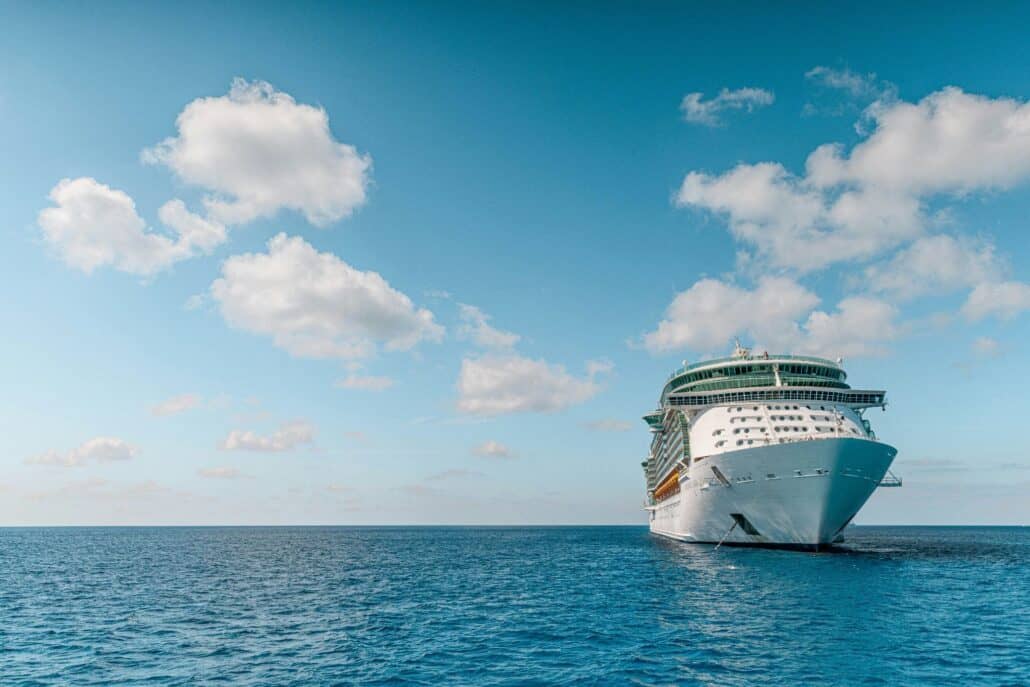
To inquiring students, a cruise ship is more than vacation images, swimming pools, and buffet meals. It’s a real-world classroom where physics, biology, chemistry, engineering, weather science, and environmental studies come alive.
Just think about that. How does a gigantic ship float? How does it make fresh water at sea? What causes waves? What animals exist beneath the surface? These questions make a regular excursion an interesting science experience. Let’s go into the cruise ship science lessons all curious students should know.
1. The Physics of Floating: Why Cruise Ships Do Not Sink
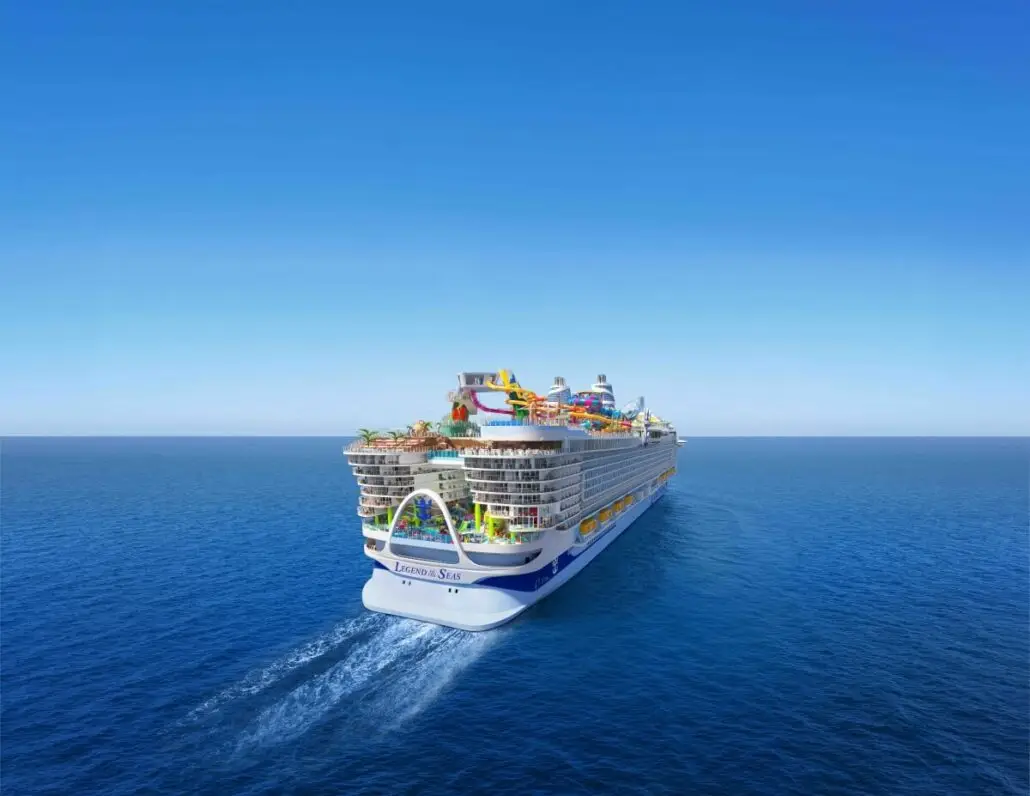
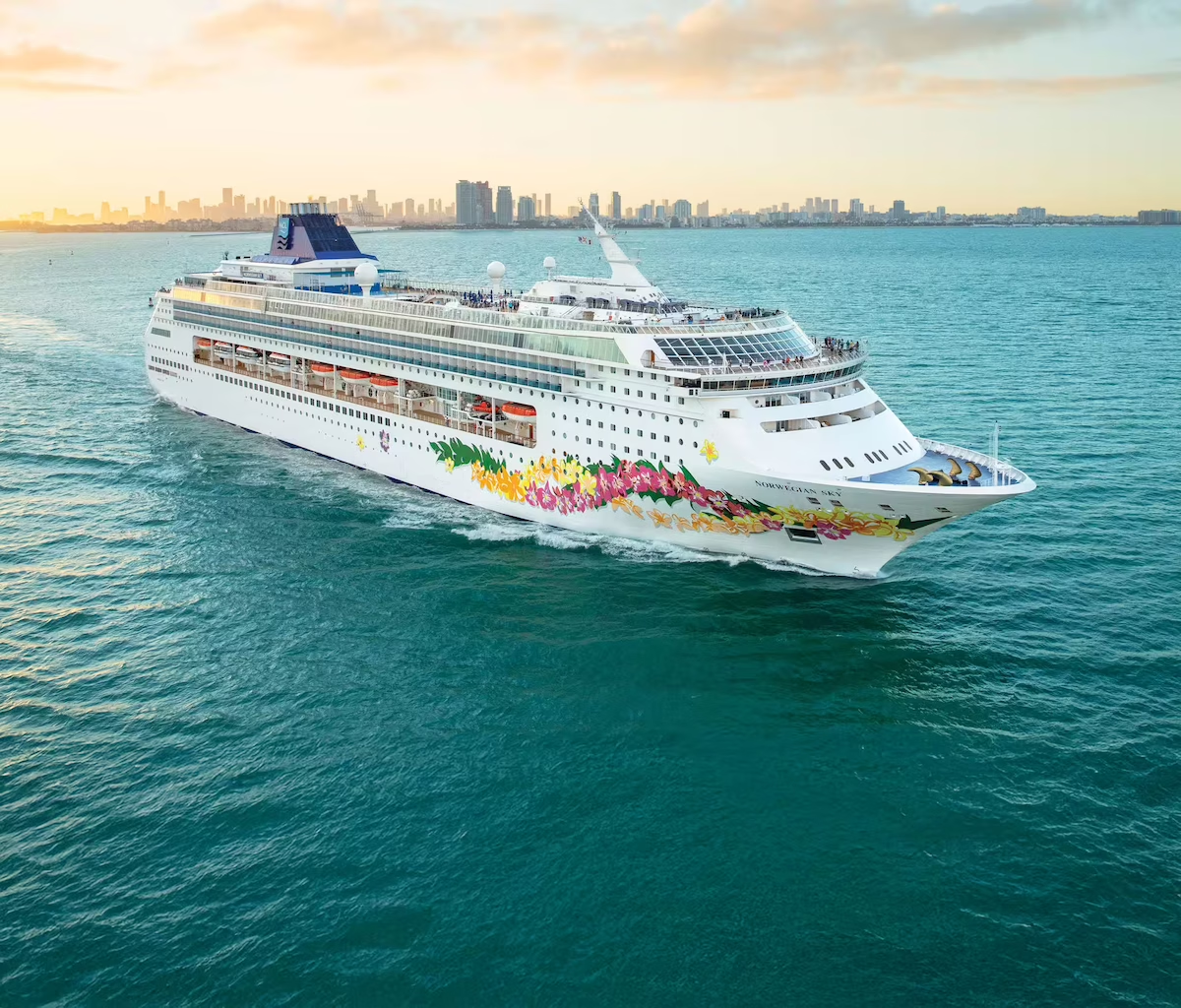
Buoyancy is one of the first science lessons children can learn on a cruise ship. It looks unbelievable at first that such a big metal construction can float. After all, if you drop a small metal spoon in water, it will sink. So, how does a cruise ship stay afloat?
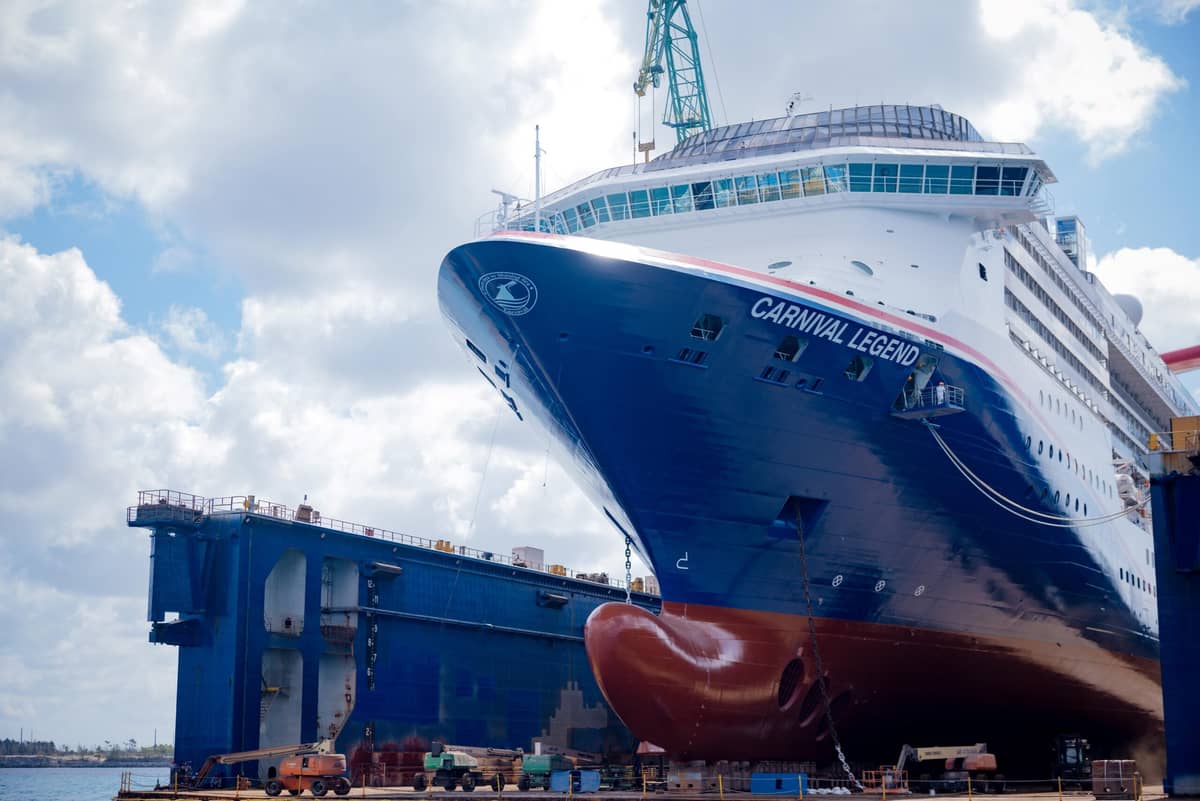
Shape and displacement are the answer. A cruise ship has a big, hollow body that displaces a lot of water. The displaced water provides an upward force called buoyant force. When the upward force is equal to or greater than the ship’s weight, the ship floats.
It’s a bit like lying on a pool float. Your body might sink on its own, but the float spreads your weight over a broader area. It also pushes the water out of the way. The ship accomplishes the same thing, just on a much larger scale.
Cruise ship buoyancy also gives students a useful bridge between what they see and what they study in class. A learner can watch a vessel move through water, then connect that sight to mass, volume, density, and force.
When a classroom task asks students to calculate buoyant force, the deck example suddenly feels more useful. That is where physics assignments help can fit naturally into the lesson by linking cruise ship examples with formulas, diagrams, and real scientific thinking.
The goal is not to treat physics as a set of dry numbers. It is to understand why a floating ship proves the math in front of them. Students need to explain how shape changes the result. They also need to understand why air inside the hull matters. Once these ideas click, the ship becomes more than a machine for travel. It becomes a moving example of applied physics.
A Simple Experiment for Students
Students can try this idea out with aluminum foil. First, take a piece of foil and twist it into a tight ball. Then drop it in water. It could sink. After that, form another piece into a little boat and put it on the water. It will probably float. Same stuff, different shape. That’s science at work.
2. Ocean Biology: Discovering Life Beneath the Waves

A cruise ship sails through one of the world’s most spectacular ecosystems: the ocean. The trip might also be a chance for students to study marine biology, which is the study of life in the sea. The water is full of living beings that rely on one another, from microscopic plankton to huge whales.
Plankton are tiny, but they are very significant. They’re food for many fish, whales, and other water creatures. They also produce oxygen and maintain the ocean food web. Without plankton, the ocean would be like a city without grocery stores.
Students may also see seabirds, dolphins, flying fish, or coral reefs, depending on the course of the tour. Every glimpse can raise tremendous questions. Why do dolphins swim alongside ships? How do seabirds locate food? Why do we call coral reefs the “rainforests of the sea”?
What Students Can Observe from the Deck
Students can maintain a science diary during the trip. They can log animal observations, water color, wave height, meteorological conditions, and location. Over time, patterns may emerge. Some animals, for example, may be more frequent near the coast. Others may be found in deeper waters.
3. Weather Science: Reading the Sky at Sea
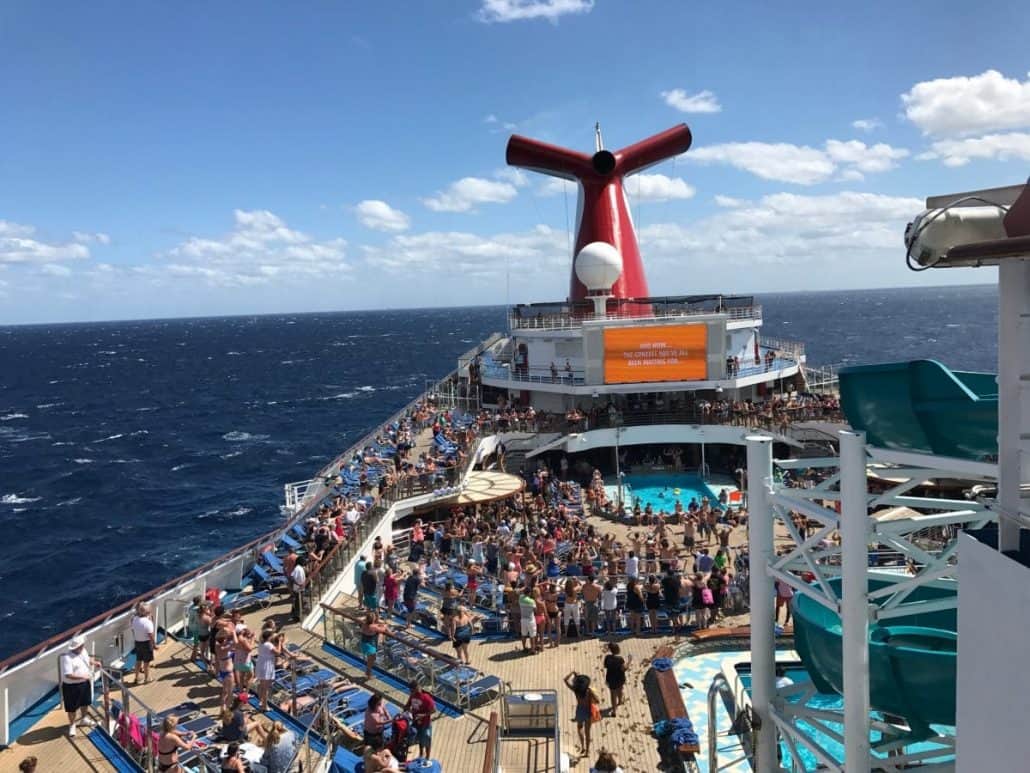
Another exciting cruise ship science lesson is weather. Out at sea, students get a clear picture of how clouds, wind, temperature, and pressure affect day-to-day living. Changes in the weather can feel more dramatic because of the wide-open water.
Clouds are very well suited for study. If you see tall, black clouds, it may rain or storm. Thin, wispy clouds could mean fair weather. They could also show that a change in the weather is on the way. Waves and ship movement can be influenced by wind direction and speed.
Students can also study air pressure. If the air pressure lowers, there may be inclement weather on the way. As it rises, it frequently brings calmer weather. This is why ships rely on weather instruments and satellite data to plot safe courses.
Weather science on a cruise is like reading a narrative in the sky. The terms are clouds, wind, and waves. Students merely need to learn how to read them.
4. Chemistry at Sea: Turning Saltwater into Fresh Water
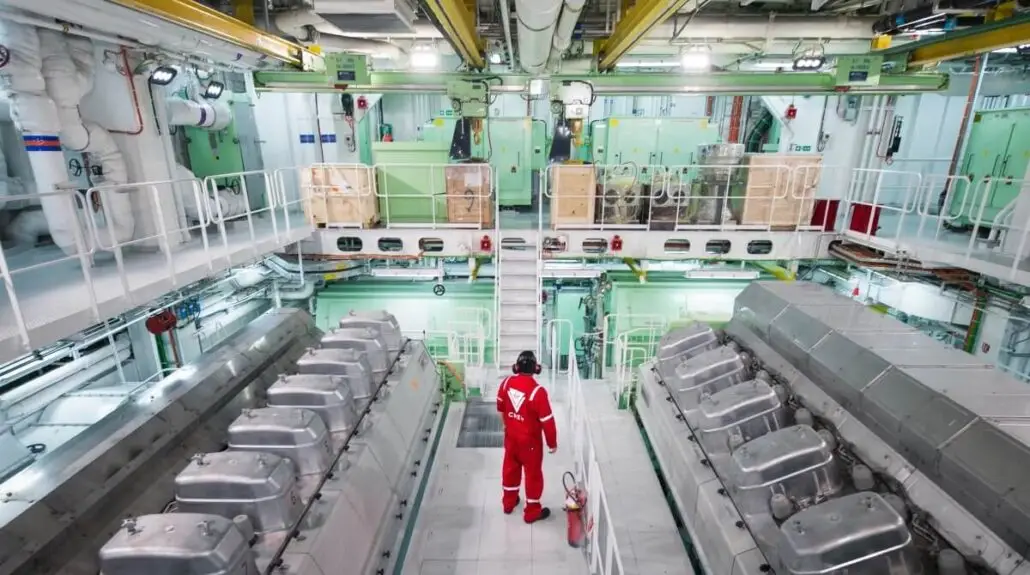
One of the surprising facts about cruise ships is that many of them can create fresh water from seawater. This is a fantastic lesson in chemistry. Ocean water is too salty to be drunk safely. Cruise ships have specific systems that take the salt out. These systems generate pure water for bathing, cooking, washing, and sometimes even drinking.
Desalination is a frequent method. The procedure takes salt out of water. Some ships boil seawater until it evaporates, leaving the salt behind. The water vapor is then cooled and condensed back into fresh water in liquid form. Other ships utilize filters. This is called reverse osmosis.
In this session, students witness how science can tackle actual problems. A ship out at sea cannot simply plug itself into a city water line. It has to find its own source. That’s chemistry, engineering, and survival functioning in tandem.
5. Engineering and Sustainability: Building Smarter Ships
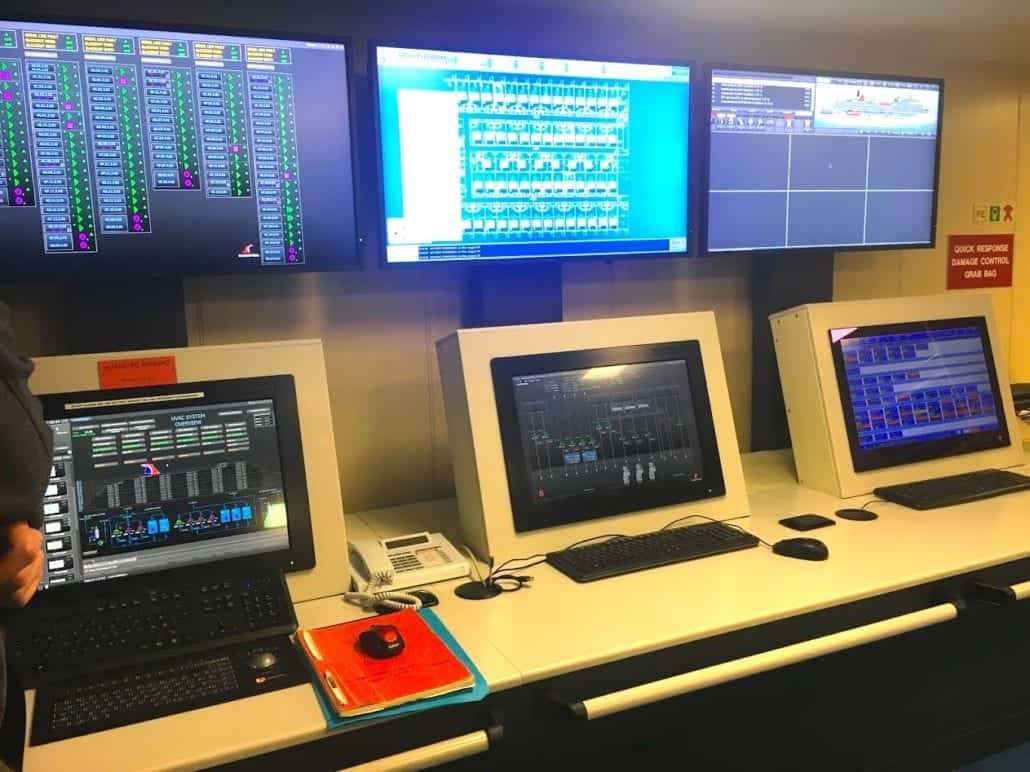
Cruise ships are engineering marvels. They require engines, navigational systems, stabilizers, waste systems, kitchens, elevators, safety equipment, and communication equipment. All this has to fit together like organs in a living organism.
Students can learn about how engines and propellers drive ships. They can also see how stabilizers prevent rocking and make the ride more comfortable. GPS, radar, maps, and qualified personnel keep the ship on course with navigation systems.
But modern cruise science is about sustainability, too. Ships have to manage waste, preserve energy, protect marine life, and prevent pollution. This is a question that matters to students. How can ships be cleaned up? What fuel should they burn? How can travelers experience the ocean and help protect it?
These questions are not only for scientists. They are for future engineers, designers, environmental leaders, and well-informed people.
Conclusion: A Cruise Ship Is a Floating Classroom
Science lessons are everywhere on a cruise ship, from the ocean below to the clouds above. On one trip, students can learn about buoyancy, marine life, weather, chemistry, engineering, and sustainability. The best part is that these teachings aren’t stuck in a textbook. They are happening, altering, splashing, and moving in real time.
To the inquisitive learner, a cruise ship is a great big key that unlocks the mysteries of the ocean. Each wave is a question. Each machine has a story to tell.
When an animal is sighted, the door to discovery opens. So, next time you see a cruise liner, don’t only think about vacation. Think science, discovery, and the unending classroom that is the sea.