The cruise industry has quietly engineered one of the most sophisticated leisure environments on earth.
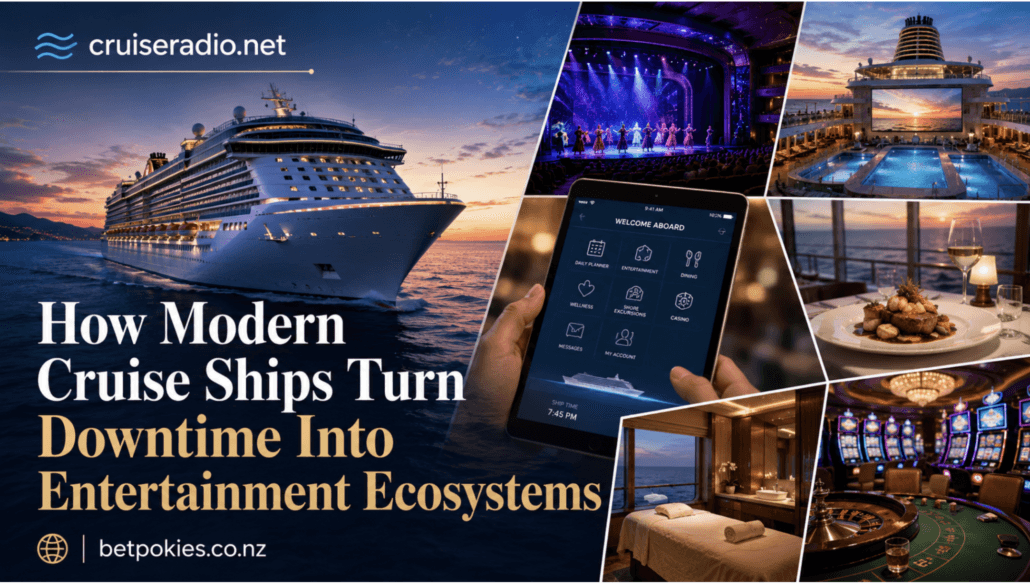
What began as ocean liner crossings with a shuffleboard court and a dining saloon has evolved into floating cities built around a single purpose: keeping guests absorbed, stimulated, and thoroughly entertained from the moment they board until they reluctantly disembark.
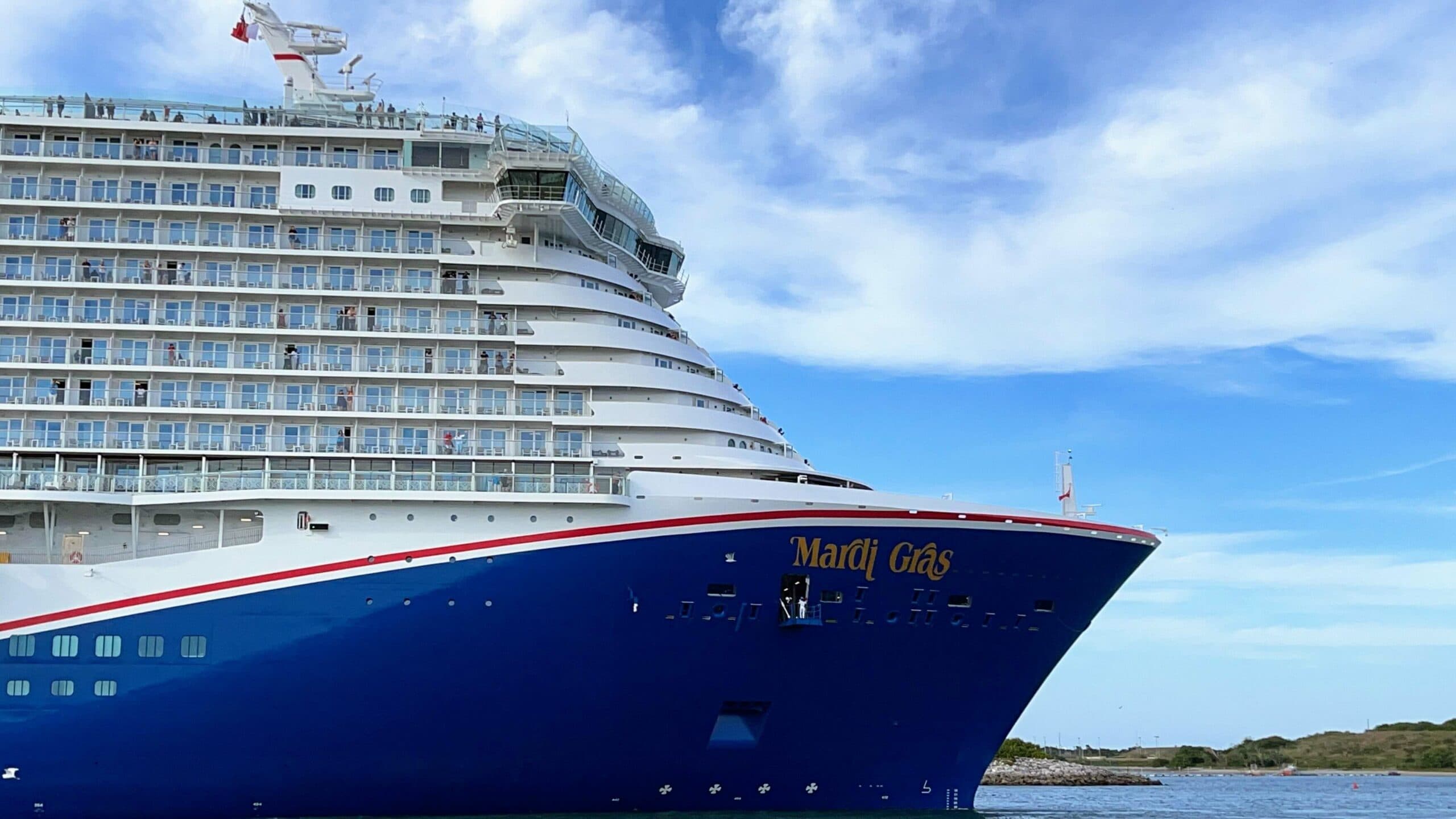
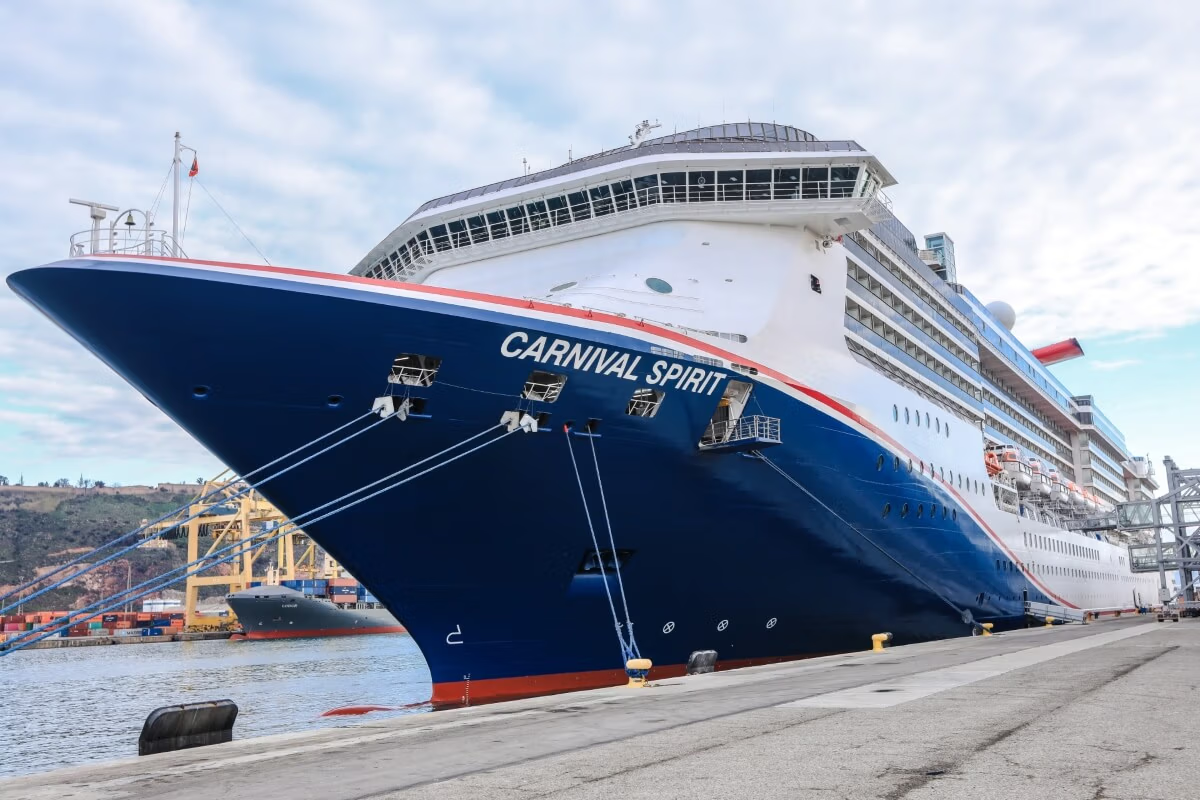
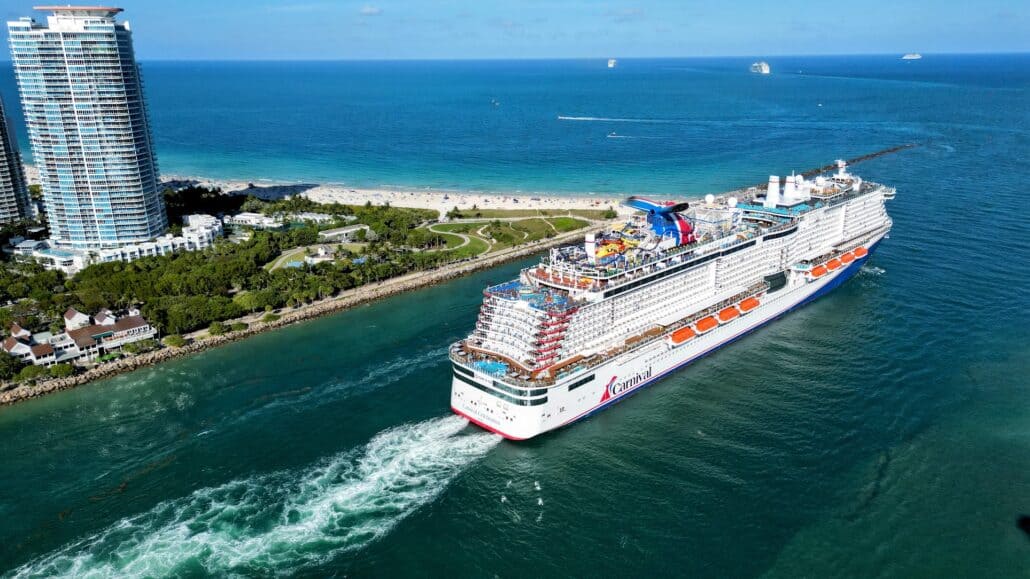
Modern megaships from lines like Royal Caribbean, Norwegian Cruise Line, and MSC Cruises operate at a scale that defies easy comparison.
Icon of the Seas, launched in early 2024, spans 20 decks and carries more than 7,600 passengers. Its entertainment infrastructure is equally ambitious, with an indoor park, multiple theatrical venues, surfing simulators, and a “neighborhood” concept that gives each zone its own atmosphere.
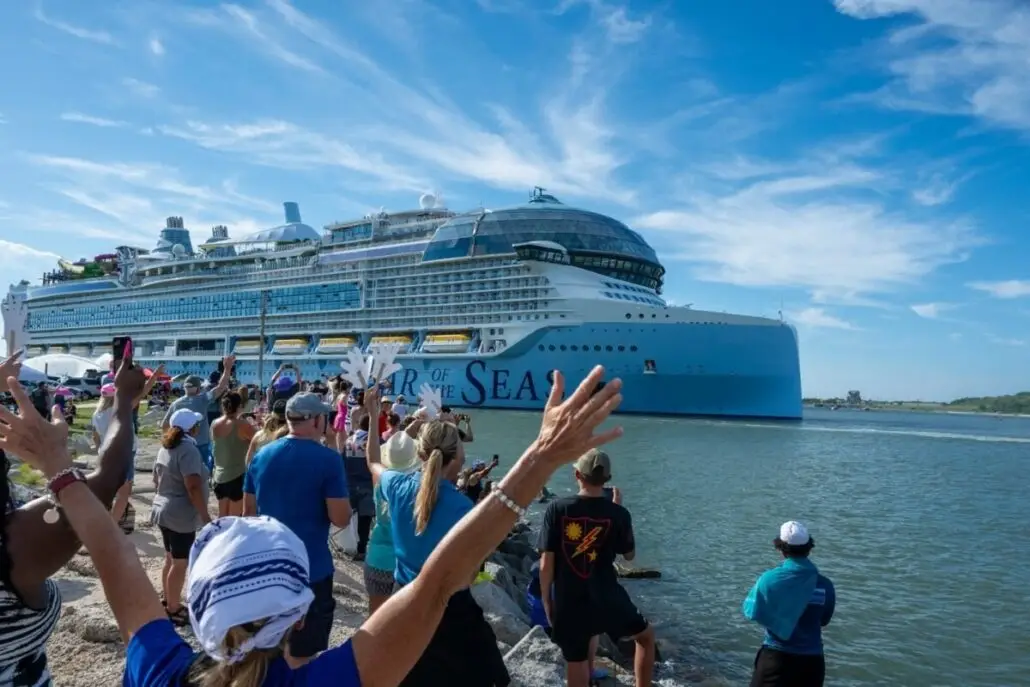
According to CLIA (Cruise Lines International Association), global cruise passenger numbers reached 31.7 million in 2023 and are projected to surpass 39 million by 2027, a trajectory that puts enormous pressure on cruise lines to continuously expand what “fun at sea” actually means.
Beyond the Pool Deck: What Entertainment Really Looks Like Onboard

The assumption that cruise entertainment means sun loungers and buffet meals is roughly two decades out of date. Today’s ships are deliberately architected to eliminate idle time, or rather, to transform it into choice.
Guests cycle between Broadway-calibre productions, cooking classes, escape rooms, sports courts, casino floors, art auctions, and wellness retreats without ever leaving the vessel.
Entertainment design on modern ships follows what hospitality researchers call “flow architecture,” a principle that spatial layout should guide people naturally from one experience to the next.
Atrium spaces serve as social hubs that draw guests toward activity clusters.
Lighting and sound shift across different sections of the ship to signal mood transitions. Even the placement of bars and restaurants is calculated to slow foot traffic and encourage discovery.
Reporting from cruiseradio.net shows how this layered approach to programming is reshaping passenger expectations. Guests no longer evaluate a ship solely by its itinerary; they increasingly judge it by what the ship itself offers on days at sea.
The Digital Layer: Entertainment That Follows You Everywhere

One development that cruise operators have had to actively adapt to is the rise of passenger-driven digital entertainment.
Cruise passengers now arrive with deeply formed habits such as podcasts, streaming services, and mobile gaming, and they expect that connectivity to continue at sea.
Satellite internet has improved dramatically, and most major cruise lines now offer Starlink high-speed packages that support streaming without the buffering issues that plagued earlier generations of ship Wi-Fi.
This has created a genuine design challenge: how do you compete with, or thoughtfully complement, the content guests carry in their pockets?
Norwegian Cruise Line and Celebrity Cruises both offer cabin tablets with curated onboard content, along with dining reservations and activity scheduling, making the app part of the entertainment layer rather than just a logistics tool.
Evening routines on board often blend physical and digital leisure in ways that mirror the habits passengers maintain at home.
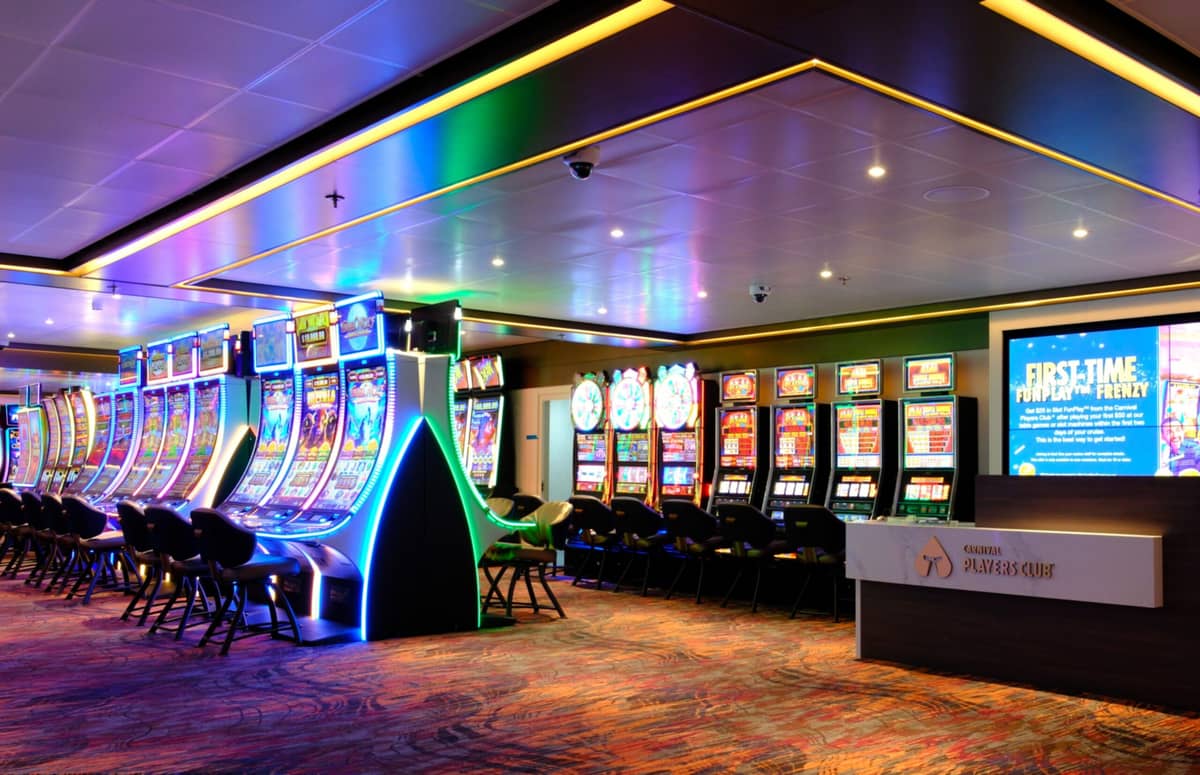
A guest might attend a live comedy show, spend an hour at the ship’s casino, then wind down in their cabin — scrolling through social media, catching up on a streaming series, or trying their luck on an online casino in New Zealand between ports.
For New Zealand travellers in particular — a demographic that cruiseradio.net has identified as one of the fastest-growing in Asia-Pacific cruise markets — this continuity between shore-side habits and onboard entertainment carries real weight.
Platforms like betpokies.co.nz are built around exactly that kind of flexibility, with mobile-optimised access that fits into leisure windows rather than demanding them.
What the Best Ships Actually Offer
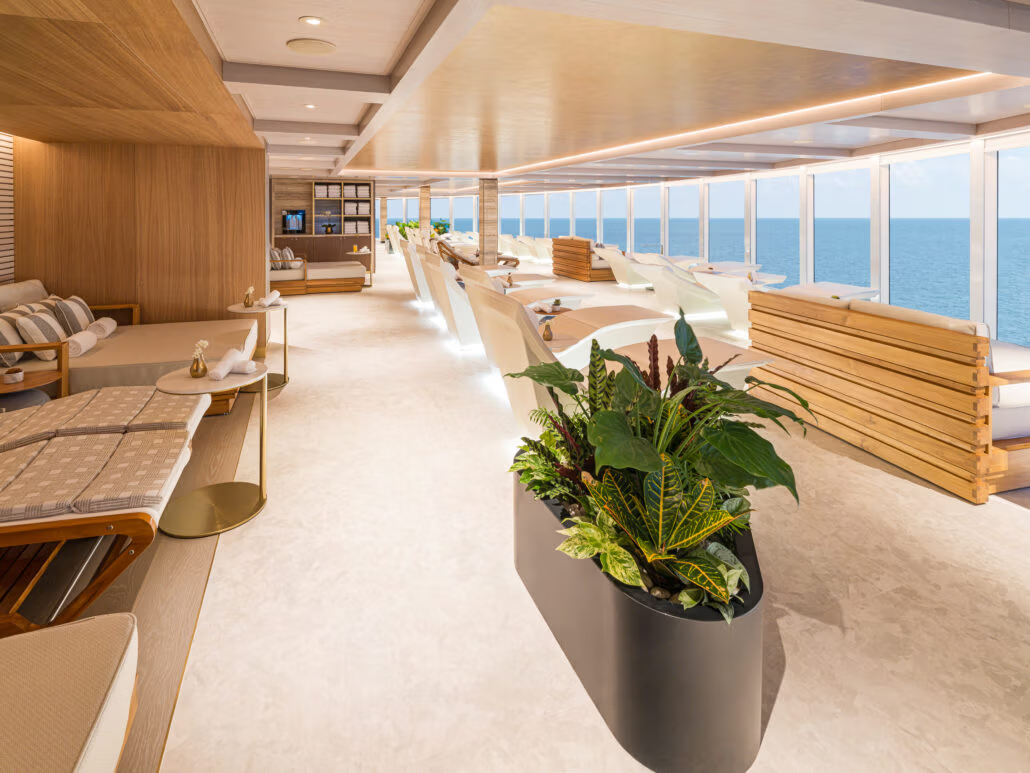
The entertainment infrastructure aboard today’s flagship vessels typically includes:
- Live performance venues — theatres seating 1,000+ guests running Broadway-licensed productions nightly
- Active leisure zones — rock climbing walls, go-kart tracks, zip lines, and surf simulators
- Wellness and spa complexes — thermal suites, fitness studios, and structured meditation programming
- Culinary experiences — chef’s table events, mixology classes, and speciality dining with rotating seasonal menus
- Casino floors — table games and slot machines operating under international maritime gaming regulations
- Digital connectivity infrastructure — high-speed satellite internet, onboard apps, and smart cabin technology
- Family and teen programming — supervised activity clubs running from early morning through late evening
Each of these is designed not as a standalone attraction but as a node in a larger network. Passengers cycle through them across the day, rarely arriving at the same combination twice.
Why the Ecosystem Model Works
There is a behavioural logic behind all of this. Cruise lines invest significantly in guest experience research, and the data consistently point toward one finding: satisfaction rises when passengers feel they have more options than time to use them.
Abundance of choice, even if most of it goes unexplored, creates a sense of richness. The ship stops feeling like a vessel and starts feeling like a destination in its own right.
That shift, from transportation to destination, is the core transformation modern cruise design has achieved. It did not happen through a single innovation.
Instead, it came through the steady accumulation of entertainment layers, with each one catering to a different mood, energy level, or travel personality.
So how do modern cruise ships turn downtime into entertainment ecosystems?
They do it through a combination of spatial design that guides guests through a variety of experiences, programming that ensures no two hours feel alike, and digital integration that meets passengers where their habits already exist.
The result is deliberate rather than accidental, and it helps explain why so many cruisers describe sea days as highlights instead of filler.