Seasonal boat owners face a logistics challenge most people never consider: their vessel can’t be left just anywhere and doesn’t move itself.

Boat transport between summer and winter marina. Or just following warmer water south for the season, requires planning that starts months earlier than most owners expect.
Long-distance boat transport involves more than just finding a marina. Proper handling of your boat requires careful planning. Without it, your boat transportation becomes more stressful and less predictable.
Planning the Seasonal Move Around Marinas, Storage, and Travel Dates

Seasonal boat moves typically happen twice a year, once for spring launch and again for fall haul-out. Both times of the year have hard deadlines driven by marina contracts and weather windows.
Add to this the fact that marina storage reservations at destination ports fill up quickly, especially in popular winter destinations like Florida, the Gulf Coast, and the Carolinas, and you begin to see why early booking is important.
Getting a boat transport cost estimate early allows owners to budget accurately before committing to a destination marina contract.
Haul-out dates at the origin marina and splash dates at the destination need to align with the carrier’s pickup and delivery timeframe. The owner’s own travel dates, whether flying or driving to the destination, need to be planned around when the boat actually arrives, not when they want to leave.
A 6-8 week planning window before the seasonal move is the minimum for avoiding scheduling conflicts.
Concern About Salt Air, Scratches, and Dockside Handling Mistakes
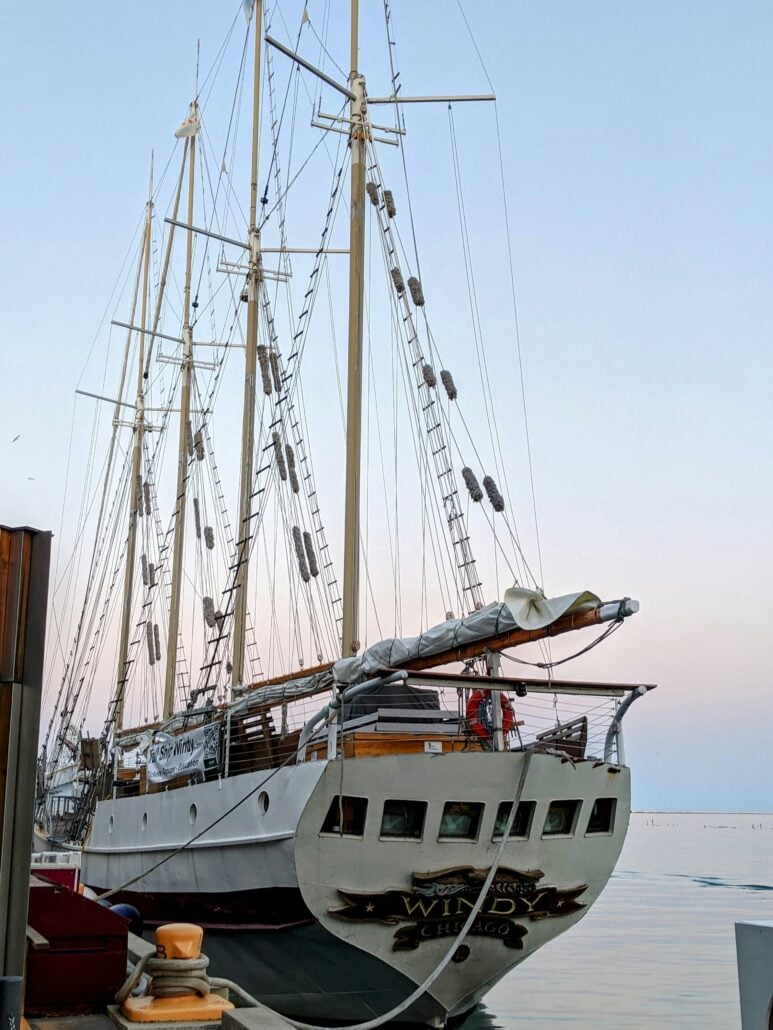
Salt air exposure during boat transport is a legitimate concern. Marine-grade surfaces, hardware, and electronics are vulnerable to oxidation if not properly covered during overland transport.
For those interested in yacht transport, especially, scratches and gelcoat damage from improper blocking or tie-down placement are among the most common complaints in boat transport damage claims.
Dockside handling- the lift, the block placement, the strap routing- requires handlers who understand hull geometry and weight distribution for the specific vessel type being transported.
To create a safer boat transport for your vessel, ask carriers specifically about their experience with your hull type (monohull, catamaran, pontoon, and center console). This is basic due diligence, not excessive planning.
Documenting the boat’s condition thoroughly with photos and video before pickup is essential for any damage claim process.
What Long Distance Boat Transport for Seasonal Travel Usually Involves
Overland boat transport uses a specialized trailer matched to the vessel’s beam, length, and hull configuration. Wide load permits are required for boats over a certain beam width. Most transport companies handle this as part of their logistics, but confirm it is included in the quote you receive.
Boat transport cost varies significantly based on distance, vessel size, beam width, and whether the boat requires a custom cradle or blocking setup. Yacht transport for larger vessels involves additional considerations like crane lifts, specialized trailers, escort vehicles for oversized loads, and state-by-state permit requirements.
Most carriers provide marina-to-marina service, coordinating directly with the receiving marina on splash scheduling.
Insurance during transit is another aspect to consider; for example, what does your insurance cover, what is the deductible, and does it supplement your existing marine policy? Those questions should be confirmed in writing before pickup.
Boat transport cost varies widely. Getting a detailed boat transport quote early in the planning process is worth doing before committing to a destination marina.
Choosing Reliable Carriers with Clear Updates and Careful Coordination
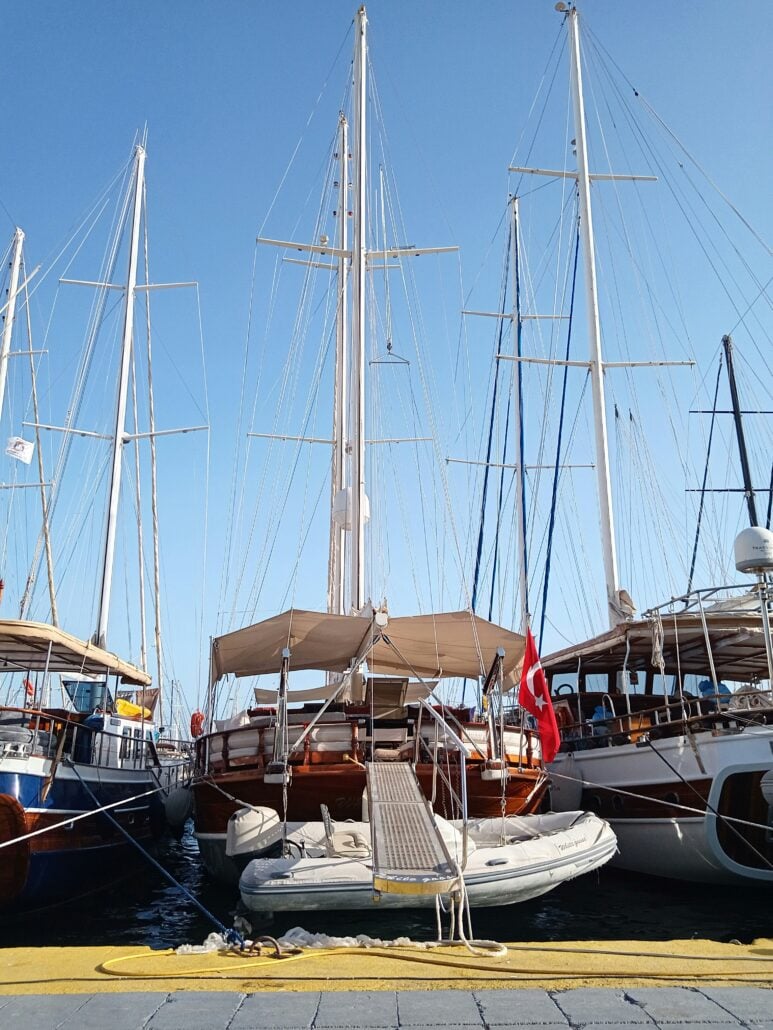
Not all transport carriers handle boats, and among those that do, experience levels vary significantly by vessel type and route. Look for carriers that provide regular transit updates, a dedicated point of contact, and clear documentation of pickup and delivery windows.
FMCSA licensing verification applies to boat transport carriers just as it does to vehicle carriers; confirm operating authority before signing anything. Another way you can determine a good boat carrier is simply to explore references from other boat owners or marina operators that signal actual handling quality.
A carrier that coordinates directly with both the origin and destination marina removes a significant coordination burden from the owner.
Feeling Settled Once the Boat Arrives Clean, Covered, and on Schedule
A well-executed seasonal transport means the boat arrives in the same condition it left, covered, clean, and ready for launch prep.
Arrival on schedule matters as much as condition; marina slip reservations, haul-out crews, and the owner’s travel plans are all built around the delivery window.
Do a post-arrival walkthrough with the carrier’s delivery team before signing off on delivery documents. This protects you if damage is discovered during unloading.
The seasonal move done well becomes a routine rather than an annual source of stress.
Seasonal boat transport rewards owners who plan early, ask the right questions of every carrier, and choose transport partners whose experience matches the specific demands for their vessel and route.