City officials are mulling a solution to ease traffic congestion at the world’s busiest cruise port. Miami lawmakers are considering constructing a direct rail link connecting PortMiami to Miami International Airport.
Direct airport-cruise port link under review
An initial proposal for a rail link was included in the Miami-Dade Transportation Planning Organization (TPO) 2050 Master Plan, published in 2024. It was one of several options to alleviate congestion in the port area.
A direct train to PortMiami is now under serious review after narrowing down most other options, according to the TPO.
The project could cost up to $800 million and would require extending the Metrorail system by about 10 miles of new track, plus a new bridge over the Miami River. Operational costs would run up to $15 million annually.
The port currently has a freight train bridge, but it could only support the MetroMover system, which moves slowly and carries about 50 passengers at a time. The direct rail link remains at an early stage of discussion.
While lawmakers are interested in exploring this long-term option, interim measures to reduce congestion around PortMiami are also on the table.
The report recommends adding shuttle bus routes from downtown transit stations to the port, developed in collaboration with cruise lines.
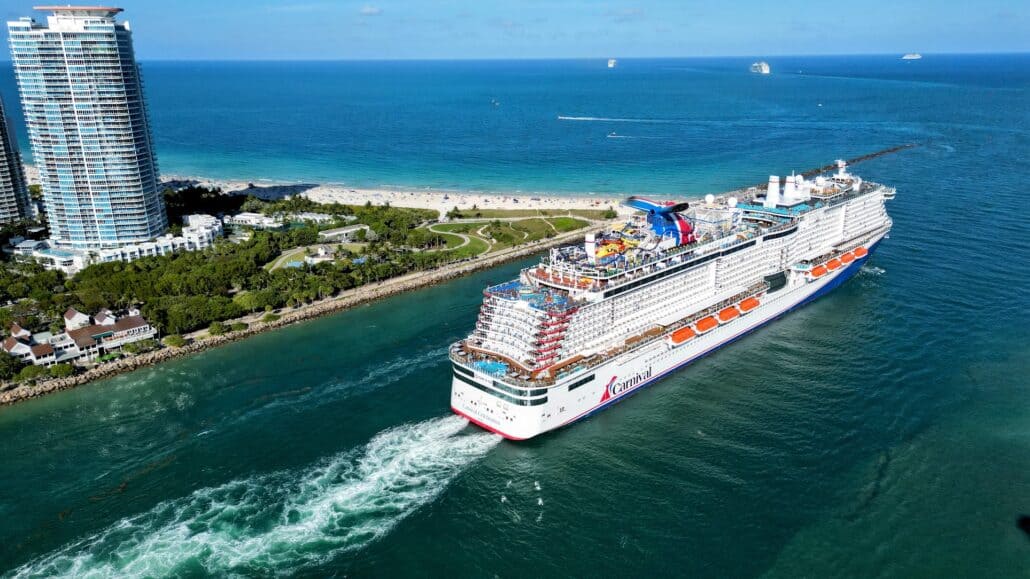
PortMiami handled a record 8.5 million cruise passengers in 2024, leading to serious congestion on busy days. Carnival brand ambassador John Heald has posted tips for guests on how to plan around and avoid traffic delays. Most out-of-state cruise guests arrive via rideshare or hotel shuttle.
The port’s terminals handle an average of nearly 25,000 cruisers daily, with a single-day record of over 75,000 passengers set in late 2025.