A creator boards a ship for a few hours in port, walks every public deck, films the atrium, the dining rooms, the pool areas, the theater, and comes home with hours of raw footage that needs to become a coherent, watchable tour before the ship gets renovated and the whole thing goes out of date.
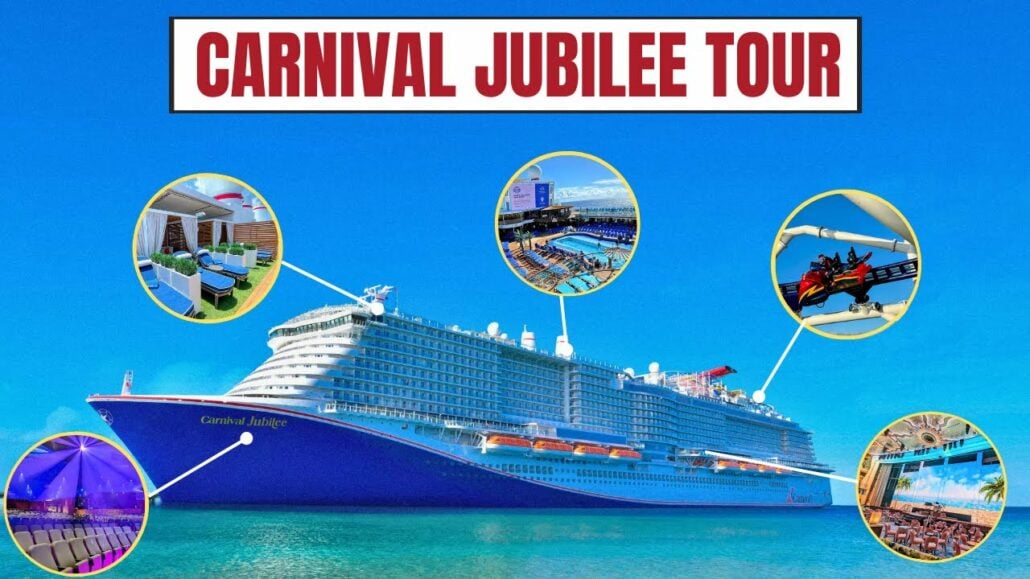
Take it from me, viewers specifically want a proper 20-to-30-minute walkthrough, not a highlight reel, and they want it filmed within the last six months, since menus, decor, and even entire venues change constantly across a fleet.
An AI Video Editor, one of the smartest tools in Higgsfield, is quietly becoming part of how cruise content creators meet that demand without turning every ship visit into a week of editing afterward.
Why Do Cruise Ship Tours Need to Be Produced So Often and So Thoroughly?
Cruise content has a greater production burden than most other travel niches, since a single mega ship can carry a dozen dining venues, multiple theaters, several pool decks, and an entire waterpark, all of which a serious tour must cover in one pass.
Multiply that across the dozens of ships in a single cruise line’s fleet, several of which get renovated or redeployed every year, and the volume of fresh video content this niche genuinely requires becomes clear fast.
Established cruise content channels reflect this reality directly, some producing near-daily news updates alongside their tour and review content, treating cruise coverage less like an occasional travel vlog and more like an ongoing beat that needs constant, current material.
That publishing pace is only sustainable if the editing step keeps up with how quickly new footage actually gets captured, which is precisely where most channels, however well established, start to feel the strain.
What Does a Typical Ship Tour Video Shoot Actually Involve?
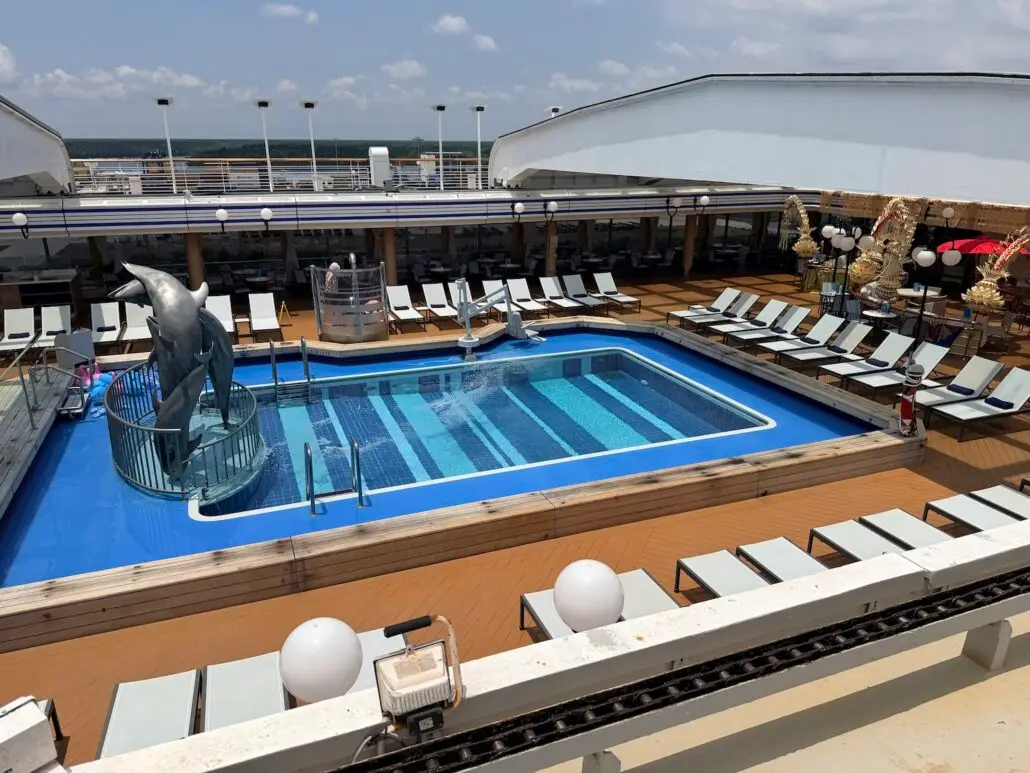
A creator typically has a limited window, sometimes just a few hours during a port visit, to film every major public space on a ship before needing to disembark or attend to other obligations.
That means capturing the atrium, the casino, several dining rooms, the spa, the pool deck, and the theater in quick succession, often under completely different lighting, a bright, sun-drenched lido deck one moment and a dim, moody nightclub the next, all within the same short visit.
Why Do Viewers Specifically Want Full Ship Tours, Not Just Highlight Clips?
Experienced cruise content reviewers consistently advise watching full 20 to 30 minute tours rather than short highlight clips, since a proper walkthrough is what actually helps a prospective passenger understand a ship’s layout, cabin location, and whether specific venues suit their trip.
This puts real pressure on creators to produce comprehensive, well-paced long-form content rather than the quicker, punchier clips that work well in most other travel content niches.
What Happens When a Ship Gets Renovated or Repositioned Between Filming and Publishing?
Cruise content ages differently than almost any other travel content category. A tour filmed even six months earlier can already be inaccurate: a dining venue rebranded, a lido deck reconfigured, an entire deck’s decor updated during a routine dry dock.
Experienced viewers specifically check upload dates and treat older tours with real caution, putting pressure on creators to turn footage into a published tour quickly before the ship moves on without them.
What Are the Traditional Editing Options Cruise Content Creators Rely On?
Manually editing a full ship tour in traditional software remains the standard, and many well-established cruise YouTubers have built genuinely excellent channels this way.
Some creators lean toward near-daily, lightly edited vlog-style episodes rather than polished highlight reels, specifically to keep pace with the volume of fresh footage a busy cruising schedule generates, trading some polish for speed and volume.
Where Does Manual Editing Fall Short for a Creator Covering Multiple Ships a Month?
The constraint is almost entirely about time, not creative ability. A single full ship tour, properly cut, paced, and captioned, can take many hours of manual editing once all the footage from several hours of filming gets reviewed and assembled.
A creator covering several ships a month, on top of the news, reviews, and interviews a genuinely active cruise content operation also produces, runs into the same math every time; there simply aren’t enough editing hours to keep every tour current before the ship itself changes again.
This is exactly the bottleneck that pushes some creators toward the lighter, near-daily vlog format instead of a fully polished tour for every single ship visit, trading production value for speed simply because there’s no other way to keep pace with how much footage a busy cruising schedule actually generates.
That tradeoff wouldn’t be necessary if the editing step itself moved faster without sacrificing the polish a proper ship tour deserves.
| Manual desktop editing | Near-daily lightly-edited vlogs | AI Video Editor | |
| Time per full ship tour | Many hours per tour | Faster, but less polished | Minutes to a finished pass |
| Consistency across many ships | High, but slow to repeat | Variable, speed over polish | High, and fast to repeat |
| Handling mixed lighting across a ship | Manual colour correction | Often left uncorrected | Built-in correction |
| Turnaround before a ship changes again | Days to weeks | Same day or next day | Same day, with more polish |
| Best suited for | A handful of flagship tours a year | High-frequency, lower-polish updates | Frequent, still-polished tour production |
How Does an AI Video Editor Handle Full Ship Tour Footage Differently?
Higgsfield’s AI Video Editor works directly from a creator’s own raw footage, transcribing and laying out clips as editable text so cutting dead air between venues or reordering a tour’s sequence happens by editing text rather than manually scrubbing through hours of walkthrough footage.
For a creator who just spent a few precious hours filming an entire ship, being able to turn that footage into a published, well-paced tour the same day matters enormously, given how quickly cruise content goes stale.
This matters most for the creator juggling several ships in a single month, which describes most active cruise content operations more accurately than a single flagship tour a year.
A creator who boards a ship in port for three hours, then needs to move on to the next assignment, whether that’s a different ship, a news segment, or an interview, cannot realistically spend the following week manually editing that single visit’s footage before publishing it.
Getting from raw footage to a finished, published tour within the same day or the next is what actually keeps a cruise content operation running at the pace this niche demands.
How Do You Fix Footage Shot Across Different Lighting Conditions on the Same Ship?
This is one of the more specific technical headaches in cruise content, since a single tour genuinely spans some of the most varied lighting conditions in any travel niche: a bright, natural-light atrium, a dim casino with coloured neon, a sun-blasted pool deck, and a moody, low-lit nightclub, all captured in the same walkthrough.
Built-in color correction and relighting tools can bring these wildly different segments into visual consistency, so a viewer experiences one coherent tour rather than a jarring sequence of mismatched lighting from venue to venue.
What Can a Cruise Creator Actually Produce Beyond a Single Ship Tour Video?
Beyond the full long-form tour, the same footage from one visit can be reframed into shorter highlight clips for social platforms, a format some viewers specifically prefer for quick previews even while others want the complete walkthrough.
This mirrors exactly the kind of combined approach a single ship visit can already produce, photo and video content pulled from the same few hours on board, extended further into multiple finished formats rather than requiring a separate visit or a separate editing pass for each one.
This is worth stating plainly, since Higgsfield is sometimes assumed to be a single-purpose editing tool.
Higgsfield AI is a native AI creative suite that offers advanced AI image, video, and voice generation, editing, and upscaling tools, meaning the same footage that becomes a full ship tour can also supply the still photos a written review needs, without switching to a separate photo editing app.
Does This Replace the Firsthand Experience That Makes a Ship Tour Trustworthy?
No, and this matters more here than in almost any other content category. What actually makes a cruise ship tour worth watching is that the creator was genuinely on board, walked the actual spaces, and can speak honestly about whether a venue lives up to its marketing.
An AI Video Editor speeds up the mechanical tasks, such as cutting, color correction, and reformatting for different platforms. It does not decide which details about a ship are worth mentioning, or whether a renovated space actually feels like an improvement.
That firsthand judgment, and the credibility built on genuinely having been there, stays entirely the creator’s own, and no software changes what a creator actually experienced walking those decks.
What Should a Cruise Content Creator Look for in an AI Video Editor?
A few things matter more for this kind of content than for general travel video editing. Color and lighting correction matter most, given how dramatically lighting shifts across a single ship’s public spaces.
Fast turnaround matters given how quickly cruise content ages once a ship gets updated. And working directly from real, unstaged footage matters just as much, since the entire value of a ship tour rests on it genuinely representing what a passenger will actually experience on board.
It’s also worth checking whether a platform runs entirely in a browser rather than requiring a specific installed application, since a lot of cruise content editing genuinely happens on the road, in a cabin, at an airport between assignments, or on a laptop balanced on a hotel desk rather than a dedicated home studio.
A workspace like Higgsfield that doesn’t demand a powerful, dedicated machine fits the reality of a working cruise content creator’s schedule far better than software built around the assumption of a stable office setup.
What Are the Key Takeaways for Cruise Creators Producing Ship Tour Content?
- Cruise content has an unusually high production burden, covering entire ships thoroughly, and ages unusually fast once a ship gets renovated or redeployed.
- Viewers specifically want full 20- to 30-minute tours rather than short highlight clips, which raises the editing workload beyond what most other travel niches require.
- An AI Video Editor closes the gap between how quickly footage needs to be published as a tour and how much time manual editing usually takes.
- The firsthand credibility that makes a ship tour trustworthy, actually having walked the ship, stays entirely human regardless of how quickly the footage gets edited.
What Are Some Frequently Asked Questions About AI Video Tools for Cruise Content Creators?
Will editing my ship tour footage with an AI Video Editor make it feel less authentic to viewers?
Not if the footage itself stays real. The tool corrects lighting, pacing, and reformatting on genuine footage from an actual ship visit, which is entirely different from generating a tour that doesn’t reflect a real walkthrough.
Do I need video editing experience to produce a proper ship tour this way?
No. Transcript-based editing lets a creator with no timeline editing background cut, correct, and finish a full tour by describing what they want changed rather than manually scrubbing through hours of walkthrough footage.
How does this help address the problem of cruise content becoming outdated quickly?
By significantly cutting the time between filming and publishing, a faster editing workflow means a tour can go live while the ship’s layout and decor still match what’s actually on board, rather than sitting in an editing queue until the content is already stale.
Given how quickly viewers check upload dates and discount older tours, that turnaround speed directly affects whether a piece of content actually gets watched and trusted once it’s published.
Is this only useful for full-length tours, or does it also help with shorter social clips?
It helps with both, since the same footage from one ship visit can be reformatted into shorter highlight clips for social platforms alongside the complete long-form tour, covering the range of formats different viewers actually prefer.
Whether that reformatting happens through Higgsfield or a comparable platform, the underlying benefit is the same, one filming session covering more ground than a single format alone ever could.