Ask anyone who plays the tables on a seven-night sailing what they remember most, and it’s rarely a single hand of blackjack.
It’s the moment at Guest Services on the last morning, sail and sign card in hand, watching the final balance clear before they’re allowed to walk off the ship.
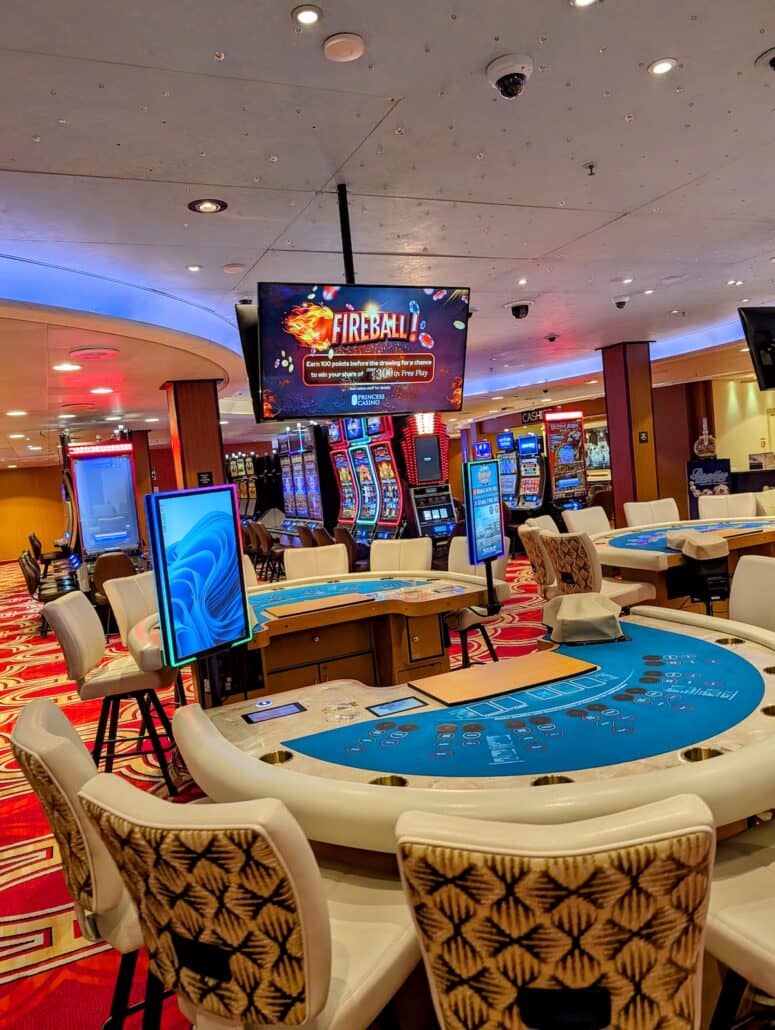
Cruise casinos run on a settlement clock that most passengers never think about until they’re the one standing in that line.
That clock is the whole point. A ship cannot let debts, credits, or disputed charges drift past disembarkation, because there’s no tomorrow to sort it out in. Everything gets reconciled before the gangway opens, cash refunded, markers cleared, chip credits converted back to a card balance.
Passengers absorb that discipline whether they notice it or not, and it quietly resets what they expect from any casino, on water or off it.
The Ship Settles Up Before You Do
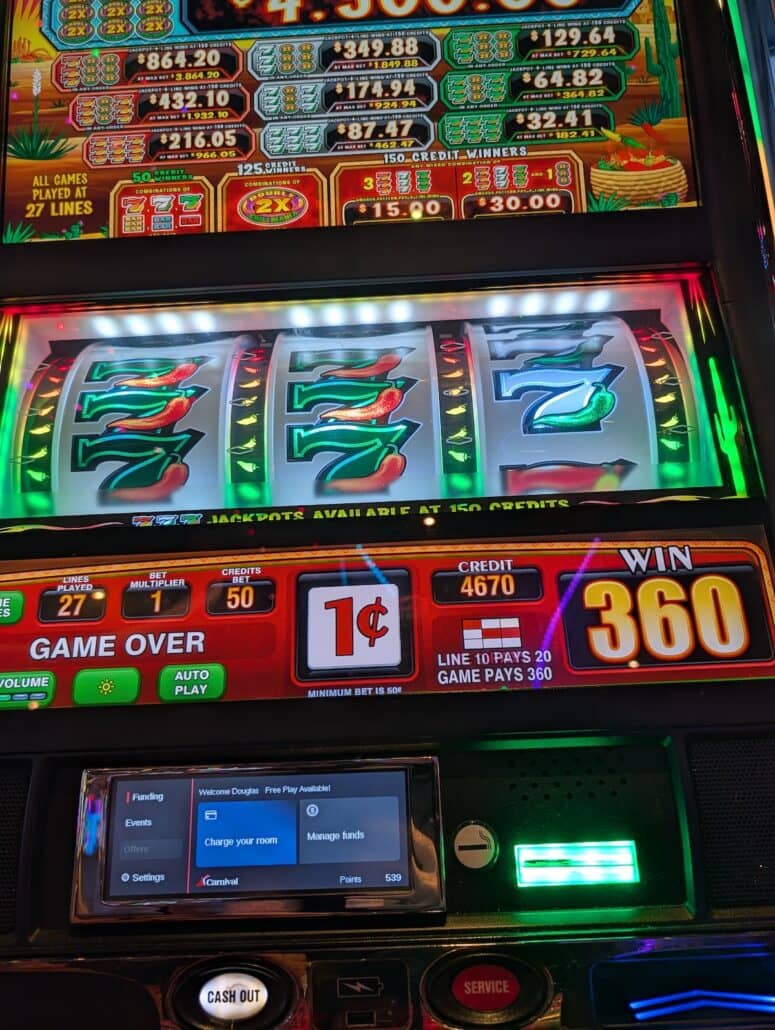
Onboard casino accounts are usually folded into the same sail-and-sign system that pays for drinks, shore excursions, and the photo package nobody meant to buy.
Chips convert to a balance, the balance ties to a card, and the card gets closed out the last night, win or lose. There’s a hard deadline built into the cruise itself, and the casino has no choice but to work inside it.
Most regular cruisers pick this up fast, sometimes on their second or third sailing. They notice how quickly a big win shows up as usable credit, and how little patience the process has for delay. That expectation travels home with them.
What Cruisers Actually Learn From the Deadline
The lesson isn’t really about gambling odds. It’s about how a business treats money that belongs to someone else once the game is over. A cruise line that fumbled payouts on the final night would hear about it fast, in person, at the guest services desk, from people who aren’t leaving the building until it’s fixed.
When the cruise casino closes for the night, or for the whole voyage, that same urgency doesn’t go away. It’s baked into how shipboard finance works, and it’s a fair baseline for judging any operator that takes a bet and owes a payout.
Why Fast Withdrawal Online Casinos in Canada Feel Different
Land-based settlement is instant because it has to be. Online play doesn’t carry that built-in deadline, which is exactly why withdrawal speed has become the detail cruise-casino regulars ask about first when they look at Canadian sites. A site that takes days to release a win is asking a passenger to accept a wait that a ship’s casino never would.
The gap between operators is wider than most people assume going in. Some clear verified withdrawals same day, others hold funds for a week while a manual review works through a queue, and the full breakdown lays out how Canadian sites actually compare on processing times.
It’s worth reading before, not after, a payout request goes in.
Verification is usually the honest reason for slower payouts, not a stalling tactic. Identity checks, payment method confirmation, and bonus wagering requirements all have to clear first. The operators that publish clear numbers on how long that review takes tend to be the ones that don’t need to bury it.
Setting a Number Before the Chips Are In Play

The same instinct that makes a cruiser check withdrawal terms also shows up earlier, at the table. Regular cruise gamblers tend to set a spending limit before they sit down, because the settlement deadline means there’s no room to chase losses past the point they can afford to walk away from.
How to manage your money on a cruise vacation covers the budgeting habits that make the rest of the trip easier, and casino spending fits into that same discipline rather than sitting outside it.
That habit matters more once the game moves online, where there’s no closing announcement over the PA system and no line at Guest Services to signal the session is done. Setting a limit before playing, and sticking to it regardless of how the session goes, does the job a ship’s clock would otherwise do automatically.
Knowing When to Step Back
Gambling on a cruise is meant to sit alongside the rest of the trip, not take it over, and the same is true once someone gets home and keeps playing on a Canadian site. In most provinces, online casino play is restricted to those 19 and older, with Alberta the exception at 18.
If a session stops feeling like the entertainment it started as, CAMH (the Centre for Addiction and Mental Health) offers information and support resources for anyone concerned about their own play or someone else’s.
None of this makes the occasional cruise casino night, or a home session afterward, something to overthink.
It just means the habits a lot of cruisers already carry- checking the rules, setting a number, expecting a fair and timely payout- are worth keeping once the ship is back in port.