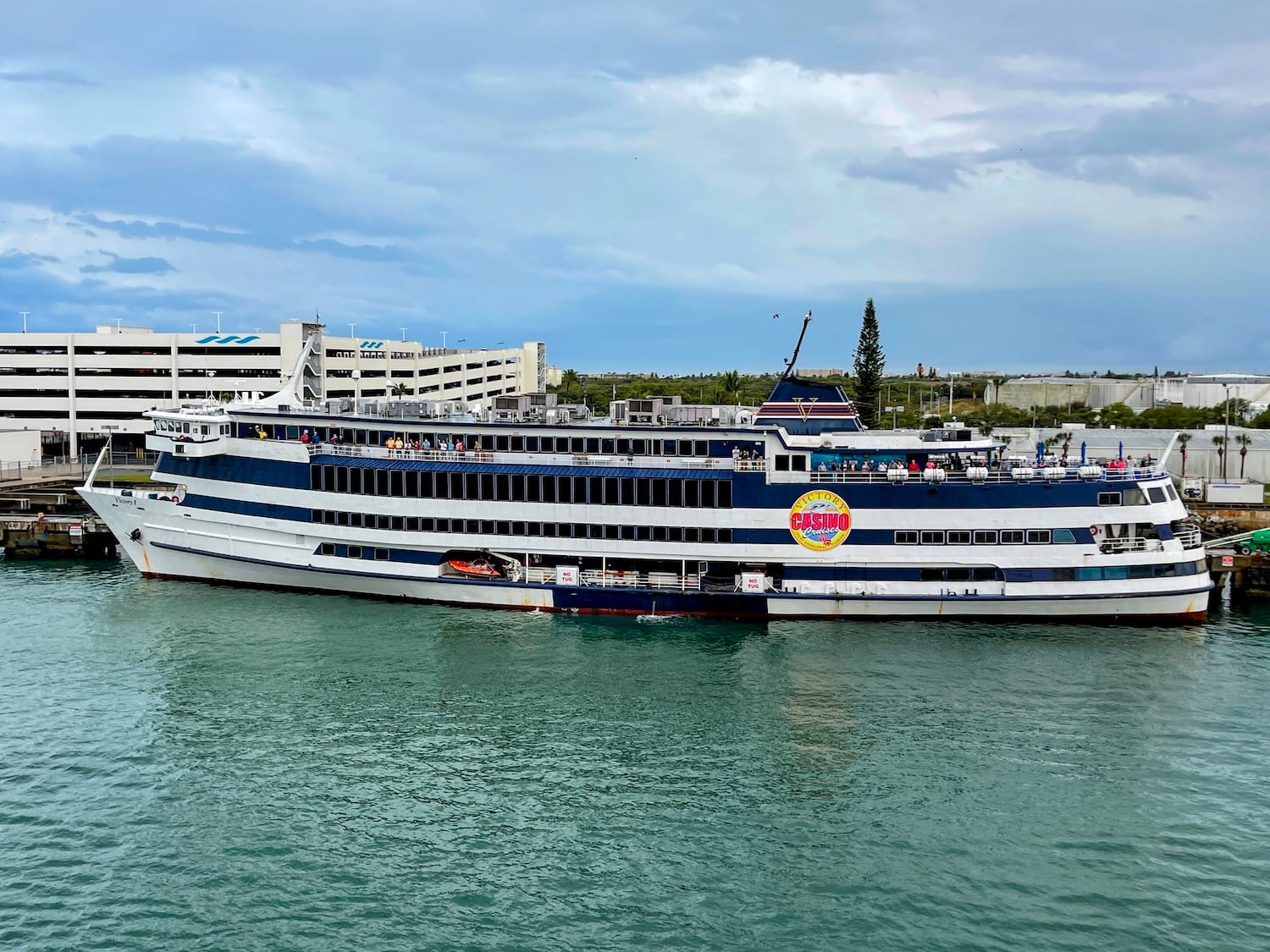
For many cruise passengers, spending an evening in the casino is part of the onboard experience.

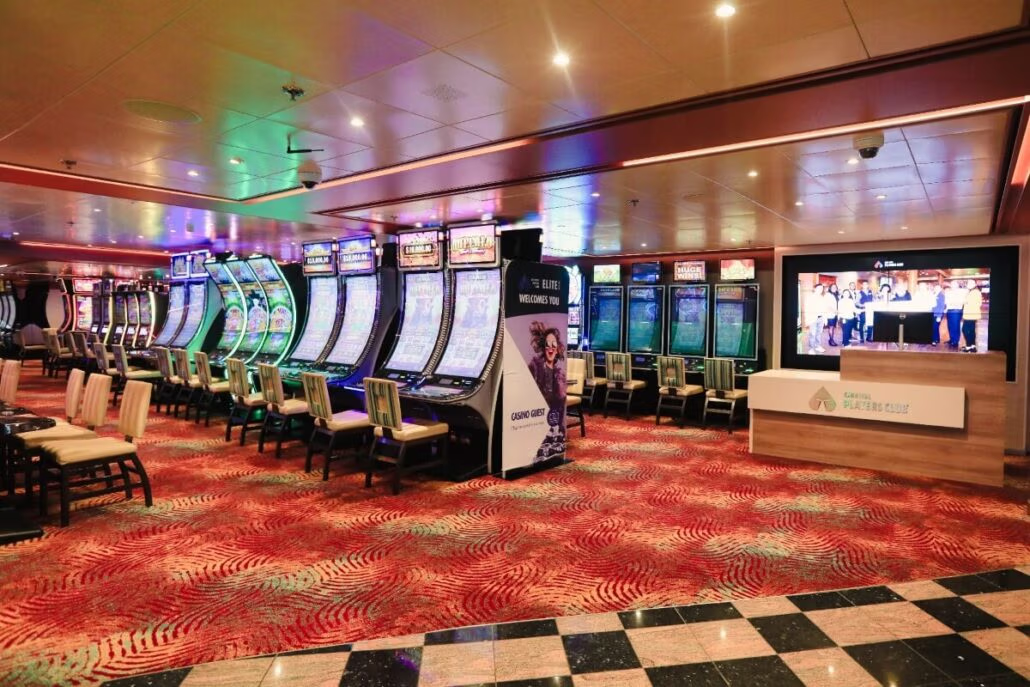
Whether it’s playing a few hands of blackjack, trying their luck at a slot machine, or sitting down at a roulette table, cruise ship casinos offer another entertainment option once the ship heads out to sea.
Unlike casinos on land, cruise ship casinos operate under rules that can vary by cruise line, ship, and itinerary. Table minimums, payment methods, transaction fees, and operating hours can all affect how much passengers spend during a sailing.
For casual players, understanding these costs is especially important when comparing gambling at sea with online casinos, where minimum deposits determine how much money is needed to fund an account.

While the two operate differently, neither a low table minimum nor a small online deposit guarantees that gambling will remain inexpensive.
But before placing a wager, passengers should understand how casino spending works and what limits apply.
That number is the minimum deposit. A table minimum is the smallest stake allowed on a single round, so it only matters while you sit at the table.
A deposit minimum is the smallest amount an account will accept when you add money, which is why minimum deposit casinos are a topic for anyone comparing licensed online options at home.
Neither figure tells you how much you can lose in an evening. Both are floors, and the ceiling is set by the person playing. This is important to remember.
Casinos at sea

Onboard rules differ more than most passengers expect. Table minimums depend on the ship, the itinerary and the night, with busier sea days often running higher than a quiet repositioning sailing.
For instance, some cruise ships may run $5 blackjack hands in the morning and increase that to $25 in the evening. Again, this varies by cruise line.
Payment is its own question. Most cruise lines let guests charge restaurants, spa visits and shore excursions to the cabin account, but casino play tends to work differently, with cash or a cash advance at the cashier cage and fees that vary by operator.
The age limit also varies by cruise line, and some ships set it higher than the legal minimum for gambling on land. Anyone planning to play should read the line’s casino policy before boarding, and treat anything heard at the muster drill or on a forum as unconfirmed until the ship’s own materials say the same thing.
The opening hours matter as well. Casinos stay closed in port and in certain waters, so a gambler hoping for a late session on a port heavy itinerary may find the doors shut.
Adding money online is a different game
Online, the minimum deposit sits at the front door. It is the smallest top up a licensed site will take, and it often depends on the payment method: a card may carry a different floor than a bank transfer or an e wallet. Some sites ask for only a few dollars to open an account, which is what attracts people searching for low deposit casinos, while others set the bar higher.
A small first deposit looks cautious, but it is not a safety feature. The same site that accepts five dollars will accept a hundred, and a player who deposits five dollars six times in an evening has spent thirty.
Withdrawal conditions also deserve attention before money goes in. Bonus offers often carry playthrough requirements, payment methods that can receive deposits sometimes cannot receive withdrawals, and verification checks can slow a first cash out.
Location matters too. Real money online casinos operate legally in only a small number of US states, and each of them requires players to be 21 or older and physically inside state lines, which the site confirms through geolocation.
Someone on a ship in the Caribbean cannot assume the app on their phone will work, and a licensed operator in one state says nothing about access in another. Anyone unsure should check the operator’s eligibility rules before depositing, since availability is state by state and can change.
Setting a separate casino budget

The simplest habit for a casual player is to treat gambling money as its own pot, set before the trip and kept apart from the money earmarked for excursions, gratuities, drinks packages and the flight home.
Decide the amount in advance as an affordable loss, not a target, and stop when it is gone. Moving money over from the essentials pot to keep playing is the clearest sign that the plan has slipped.
Chasing losses is where small budgets turn into large ones. A bad run at the table feels like a reason to stay, when it is really a reason to leave. Taking breaks helps, and so does stepping outside the casino for a walk on deck, because the room is designed to make time disappear.
The National Council on Problem Gambling publishes guidance on setting limits and recognising when play has stopped being enjoyable, and it runs a confidential national helpline for anyone who needs to talk.
Checking your cruise before playing

The practical work happens before boarding. Passengers who want to play should look up their ship’s casino policy, how onboard spending is billed, and what the ship offers for those who would rather skip the tables altogether.
In October, we sailed Costa Toscana did a breakdown of what is included and what costs extra on a recent Mediterranean sailing is a useful model for the questions worth asking about any ship: what the fare covers, what gets charged to the account, and where the surprises tend to hide. Ages, fees and rules change by line and sailing, so the cruise line’s own guidance is the final word.
What happens on a ship in the Caribbean may be completely different than offerings on a ship in Europe.
Casino spending on a cruise is optional, and it should stay separate from the costs that make the holiday work. A low deposit does not mean low risk, and a low table minimum does not either.
Players must be 21 or older to gamble online in the US, and anyone worried about their play can call 1800 MY RESET, the National Problem Gambling Helpline. Play responsibly and stop at the limit set before the trip.