It seems a new video of cruise ship passengers fighting goes viral nearly ever week. In the wake of such altercations, it’s not at all uncommon for individual cruise lines to ban troublemakers for life. But following a recent brawl at Royal Caribbean’s Paradise Island Beach Club, questions were raised as to whether all of the cruise lines should share their “no-sail lists.”
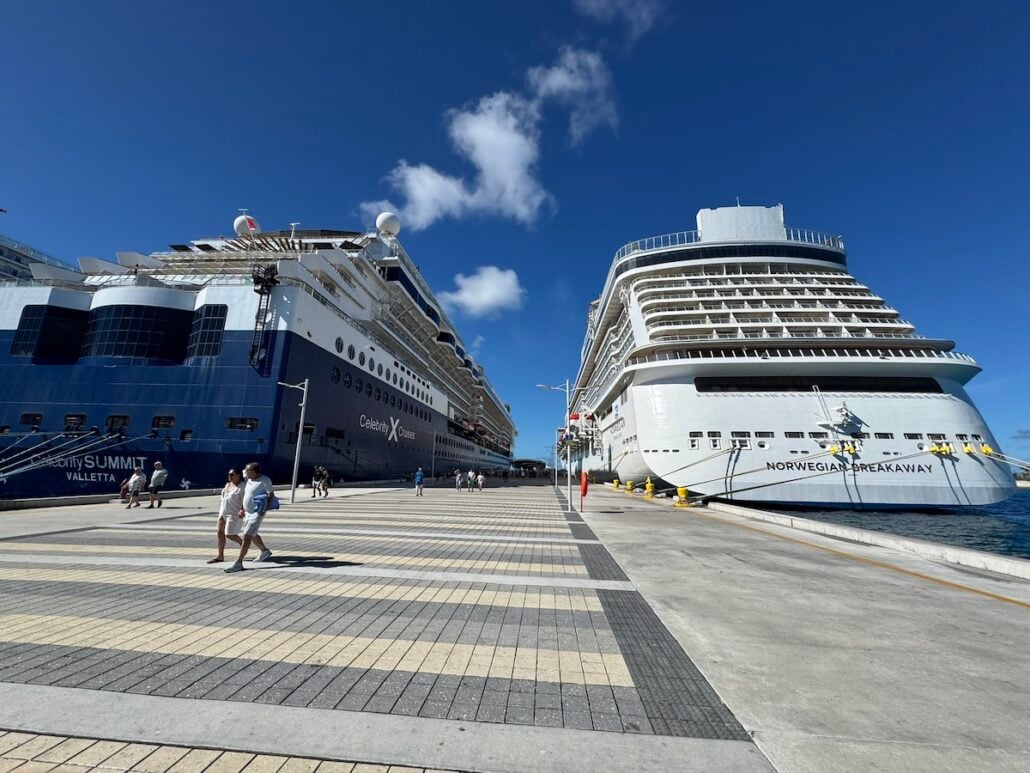
In other words, if passengers are banned from one line, should that extend to all of the others?
‘Out of Control and Ridiculous!’
Following the incident at Paradise Island Beach Club, we asked viewers of the daily Cruise Radio update if they believed a universal no-sail list should be implemented. While we expected many to agree, we could not have predicted that nearly 400 commenters would sign on to the idea.
“These fights are totally out of control and ridiculous,” wrote grannyoffive1313 in the comment section. “What is wrong with people.”
This was a sentiment echoed over and over.

Another recurring theme was that despite popular belief, the problem of unruly guests was not restricted to any one cruise line. “Fights just keep on breaking out among Royal Caribbean guests, yet Carnival gets the reputation as [being] the only line with a fight problem,” noted deang1004.
As for the no-sail list, they went on to suggest it was a good idea… “as long as there is a way to appeal it. But if you hit or shove someone in an aggressive posture, you should not [be allowed to] sail!”
Cruise Lines Have The Right to Ban Passengers
Of course, one look at the cruise contract each guest automatically “signs” upon purchasing a ticket makes it clear that sailing is a privilege, not a right. As such, it can be revoked at any time.

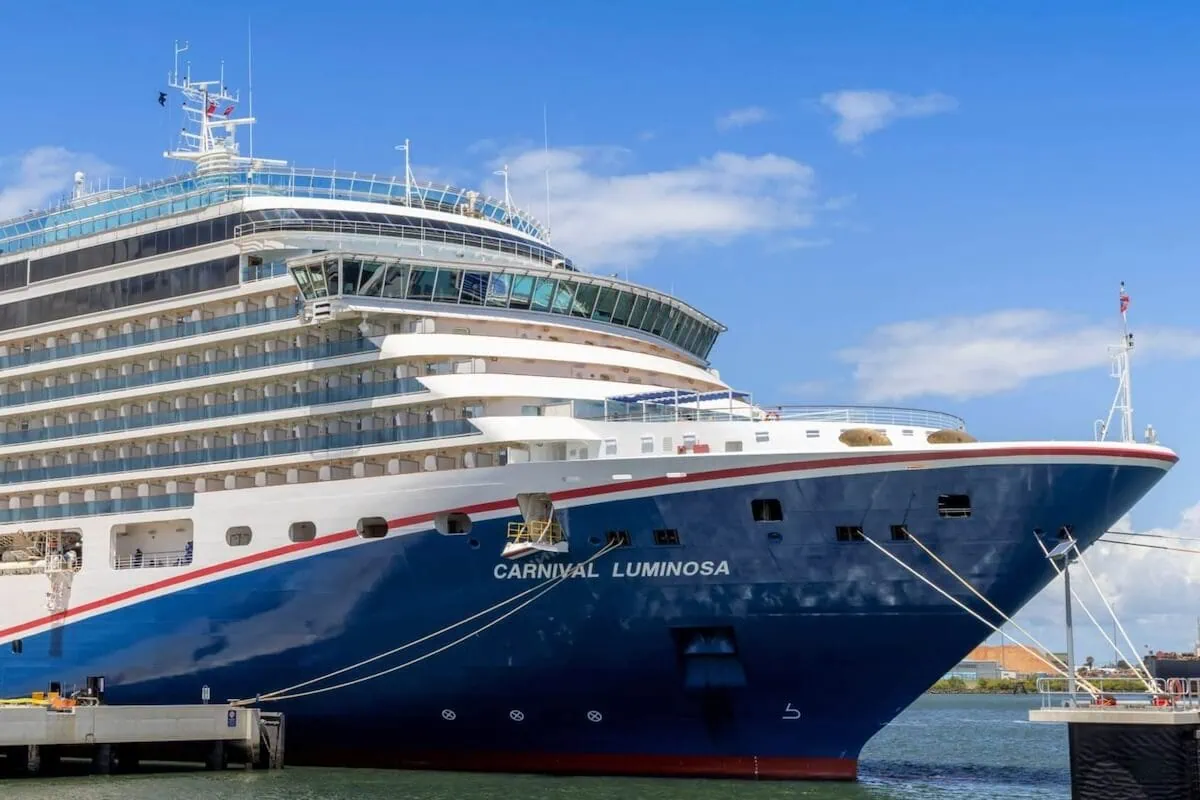
For example, Carnival Cruise Line’s contract includes the following statement: “Any Guest whose conduct affect the comfort, enjoyment, safety, or well-being of other guests or crew will be detained onboard and/or disembarked at their own expense and will be prohibited from sailing with Carnival in the future.”
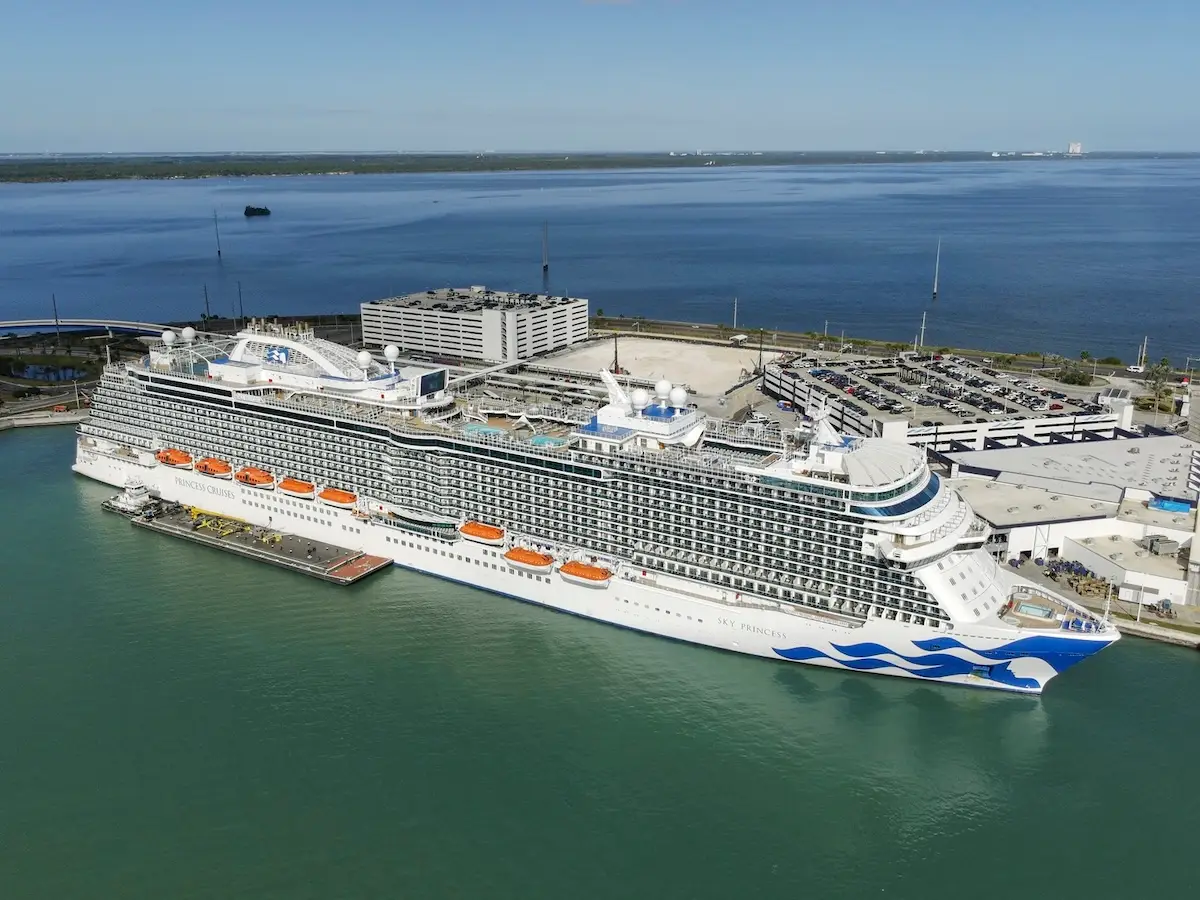
Similarly, Royal Caribbean Group’s all-encompassing Guest Health, Safety and Conduct Policy warns that violations may result in, among other things, “removal from the vessel” and “denial of boarding on any future boarding from any of our vessels.”
Why a Shared No-Sail List Doesn’t Exist
While airlines have a shared no-fly list, it’s unlikely that something similar could or would be created by cruise lines. One reason involves the independent nature of both cruise lines and their databases. There is also the risk of legal issues, not to mention how incredibly complex such a system.

While most of the behaviors while will get one banned are similar from one cruise line to another are similar, there is no universal code of cruise conduct.
It’s worth noting that it is possible to wind up on a cruise line’s no-sail list without even being aware that it has happened. Earlier this year, we spoke to Laura and Jonathan Fain, a young couple who found themselves shadow banned by Margaritaville at Sea after posting a TikTok video the line took offense to.
Only when they later tried booking another cruise on a Margaritaville At Sea ship did they discover that they’d been placed on the no-sail list. (You can read their story here.) Their story is not the only case in which someone took their complaints about a cruise public only to find out — sometimes even years later — that they wound up being banned.
While bans can be appealed, the process is notoriously difficult and rarely successful. That said, the lack of a universal no-sail list means that guests who find themselves unable to sail on a particular line can easily switch to a different company, where they hopefully will exhibit better behavior. However, it’s worth remembering that many cruise lines share corporate ownership. In other words, being banned following a sailing on Royal Caribbean could see you face a similar punishment where Celebrity Cruises and Silverseas.
Read Next: What We Know About the Carnival Data Leak