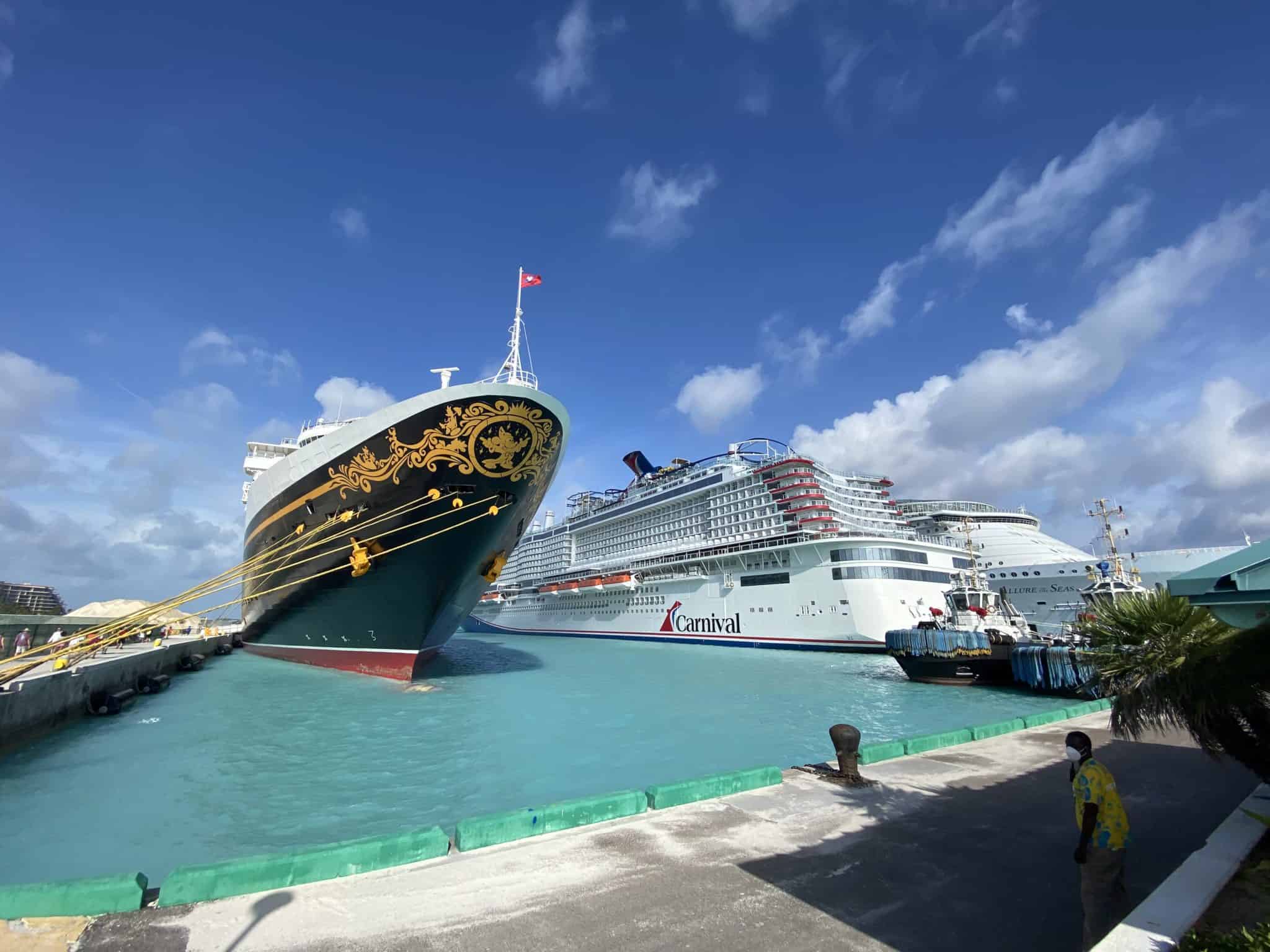
The Cruise Vessel Security and Safety Act, known as the CVSSA, sets the baseline rules for how cruise lines handle crime, safety, and victim support on ships that use U.S. ports.
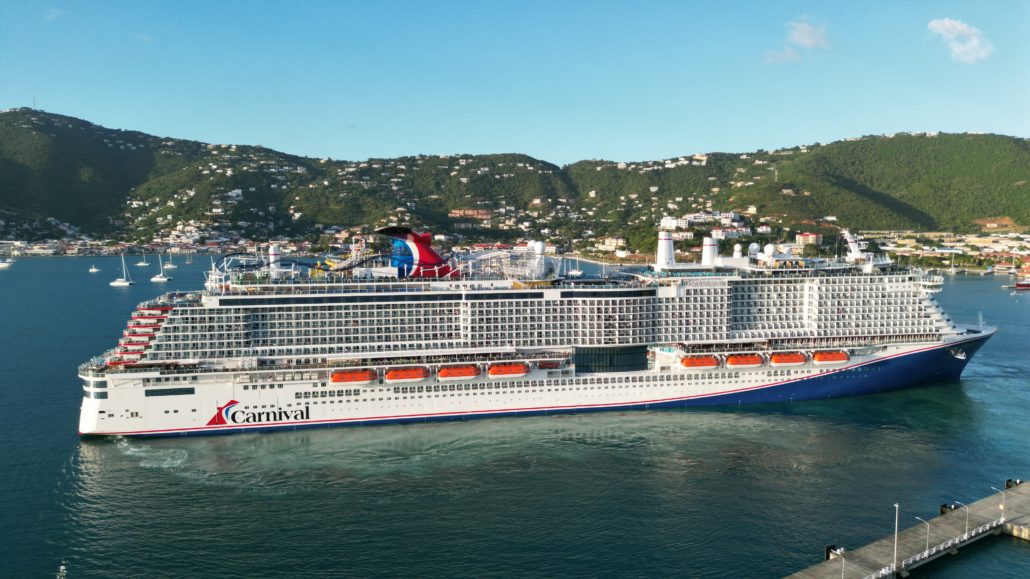
Signed into law in 2010, it applies to any ship carrying more than 250 overnight passengers that embarks or disembarks in the United States, regardless of where the ship is registered or where it ultimately sails.
What the Cruise Vessel Security and Safety Act covers
The CVSSA only reaches into U.S. territorial waters.
Once a ship sails beyond that boundary, jurisdiction shifts to the country where the vessel is flagged and whatever international agreements apply.

Onboard, the law requires ships to give crime victims confidential access to the National Sexual Assault Hotline, victim advocacy groups, and onboard counseling. The ship’s security officer is the designated point of contact for reporting a crime and coordinating support.
Crew members go through training in crime detection and evidence preservation, and cruise lines must maintain rape kits and anti-retroviral medication onboard along with staff trained in assault trauma response.
Victims also get access to private communication with shore-based law enforcement, an attorney, an embassy, and healthcare providers, plus arrangements for evacuation to a shoreside facility when more treatment is needed.
What cruise lines had to build

To comply, cruise lines installed higher railings, overboard detection and fall-recording systems, and hailing devices across their fleets.
Ships must also maintain security guides explaining onboard procedures and who to contact to report a crime, and cruise lines are required to report serious incidents to the FBI and Coast Guard, with the Maritime Administration setting training standards.
The Department of Transportation publishes a quarterly tally of reported incidents by cruise line.
A bill that would go further

The CVSSA hasn’t been substantially rewritten since it passed, but a bill sitting in Congress right now would expand it.
The Cruise Passenger Protection Act of 2025, introduced in the Senate by Senators Richard Blumenthal and Edward Markey as S. 2640, would require video surveillance in all passenger common areas and give passengers access to that footage for civil lawsuits.
A companion version, H.R. 4857, is pending in the House.
Neither bill has passed. Both remain in committee, and earlier versions of similar legislation have stalled in past sessions of Congress going back to 2013.
Until one clears both chambers, the requirements described above, not the proposed expansions, are what passengers can currently expect cruise lines to follow.
Where enforcement still struggles
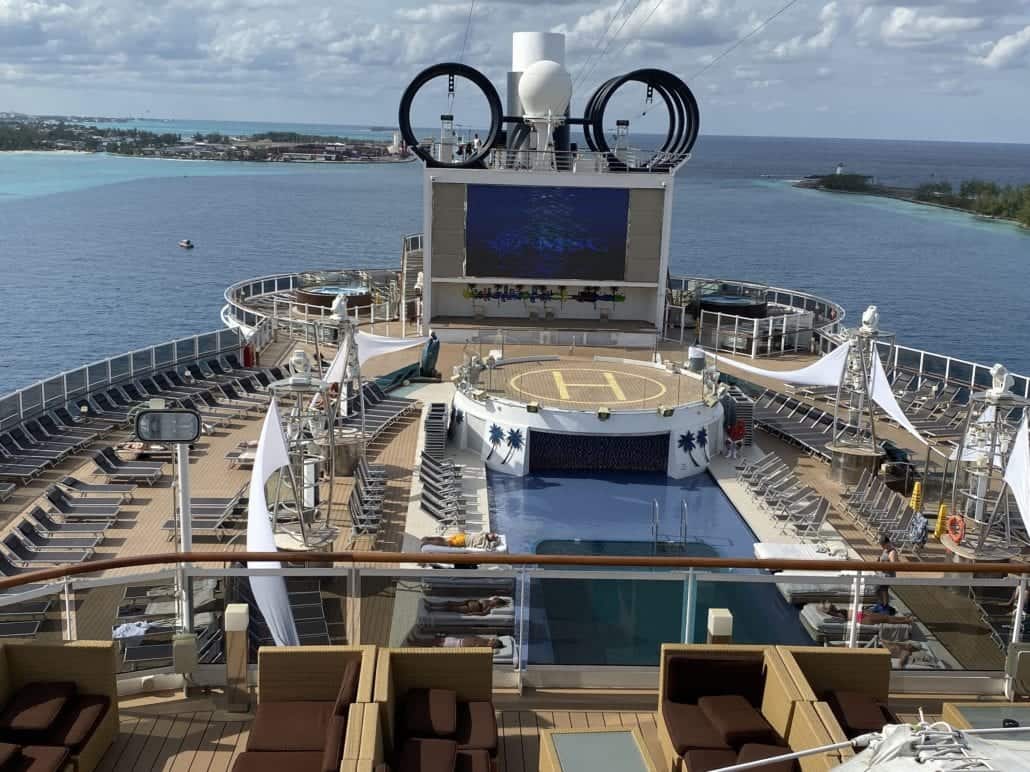
Coast Guard inspectors verify compliance during scheduled safety inspections, checking details down to railing height and peephole specifications.
But enforcement across international waters remains uneven, and reconciling evidence-preservation technology across a global fleet is still an operational challenge cruise lines are working through.