Seventeen bridges cross the main stem of the Chicago River. I learned that recently while researching things to do during an 18-hour layover in Chicago.
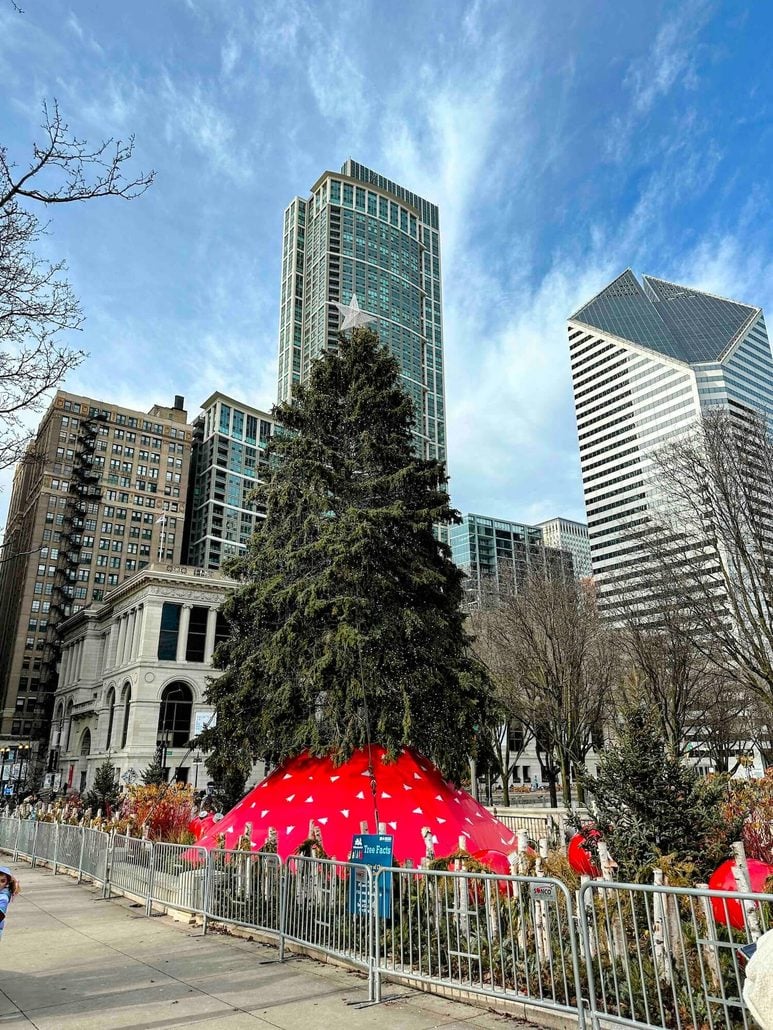
From the sidewalk, you’ll see maybe five of them, blocked by El train tracks, construction fencing, and a riverwalk crowded with joggers at exactly the wrong moment. Step onto the water and the same city reorganizes itself.
That’s the whole case for skipping the walking tour. I’ve done the Loop on foot more times than I can count, and it’s fine. The river is better, and not because of the boat. Because of the angle.
Here’s what you’ll get below: why the water view wins, how to pick the right departure, an honest look at the crowded departures and weather calls, and a simple five-question filter for booking.
The math behind the water view
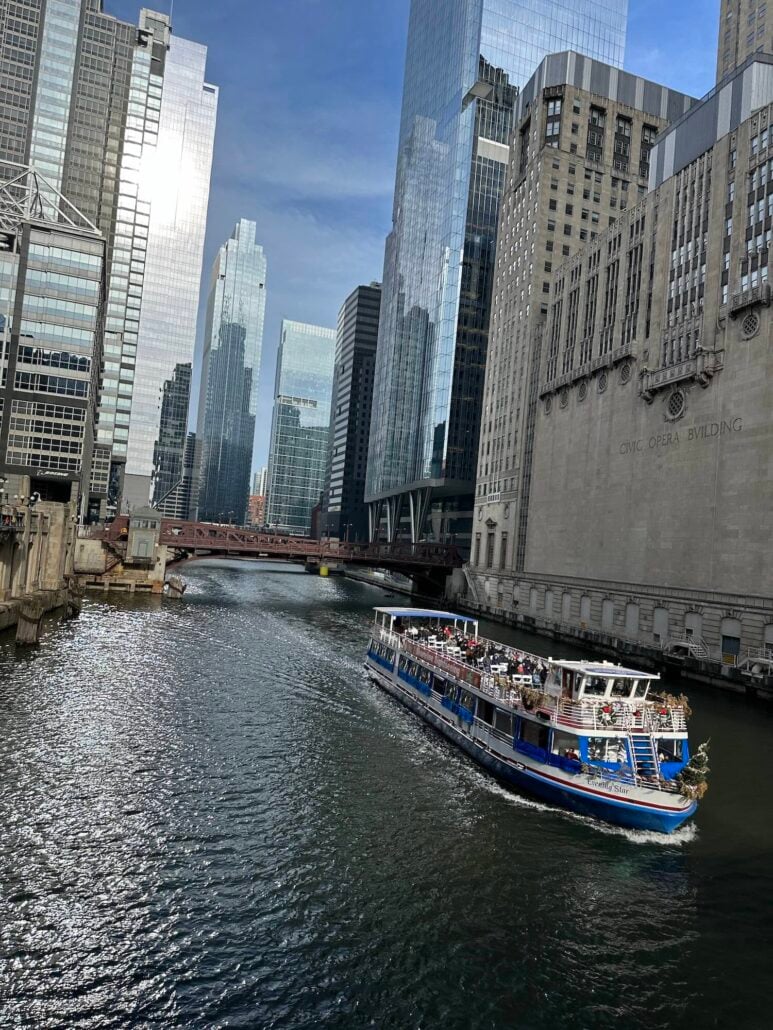
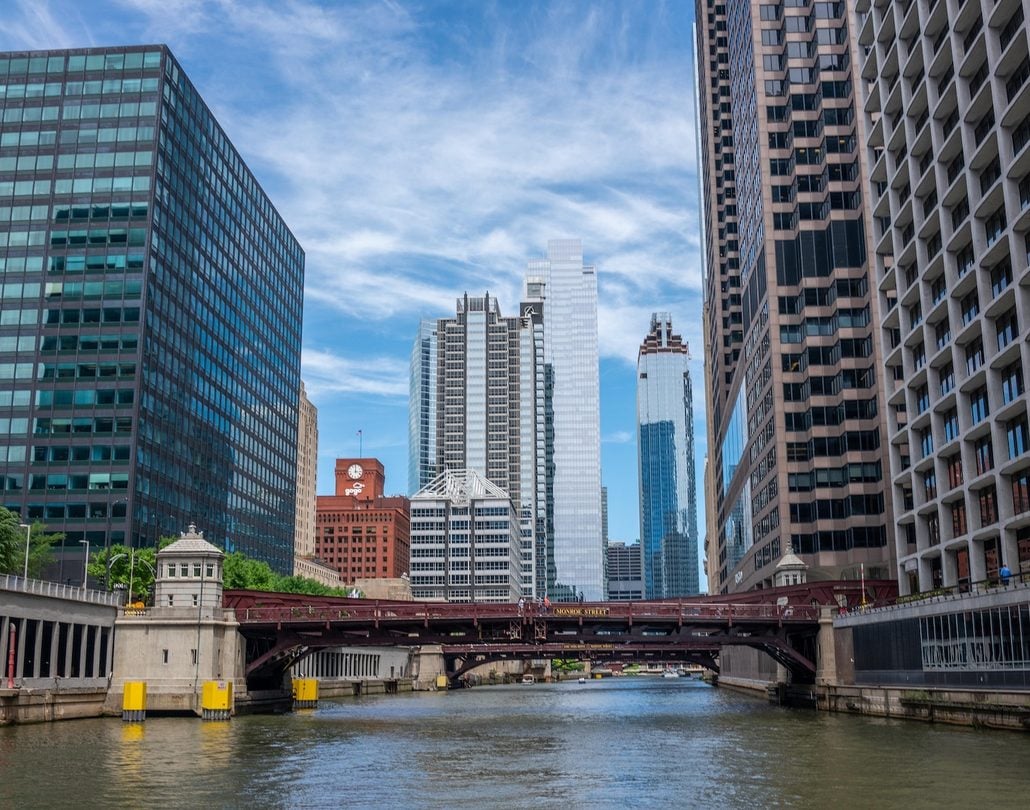
Buildings were designed to be seen from the river. That’s not nostalgia. Chicago rebuilt aggressively after 1871, and architects kept arriving with new ideas and new engineering. The result is a stretch of real estate where the 1890s sit shoulder to shoulder with something poured last spring.
From a sidewalk, you’re reading one facade at a time. You look up, you crane your neck, you cross the street, you lose the thread. From a boat, the whole canyon opens up, and the docent can point at a cornice while everyone actually sees it.
The city grew up around that river corridor, and the federal government eventually recognized parts of it for their significance.
The National Park Service runs the Chicago Riverwalk, a stretch that turned a working channel into usable public space. Walking it is genuinely nice. From it, though, you still can’t see the upper reaches of the North Branch, the industrial poetry of the South Branch, or the low bridges that nearly clip the tour boats.
One more thing nobody mentions: water absorbs sound. Traffic noise drops away and you can actually hear your guide instead of fighting a bus engine.
What the three branches actually show you
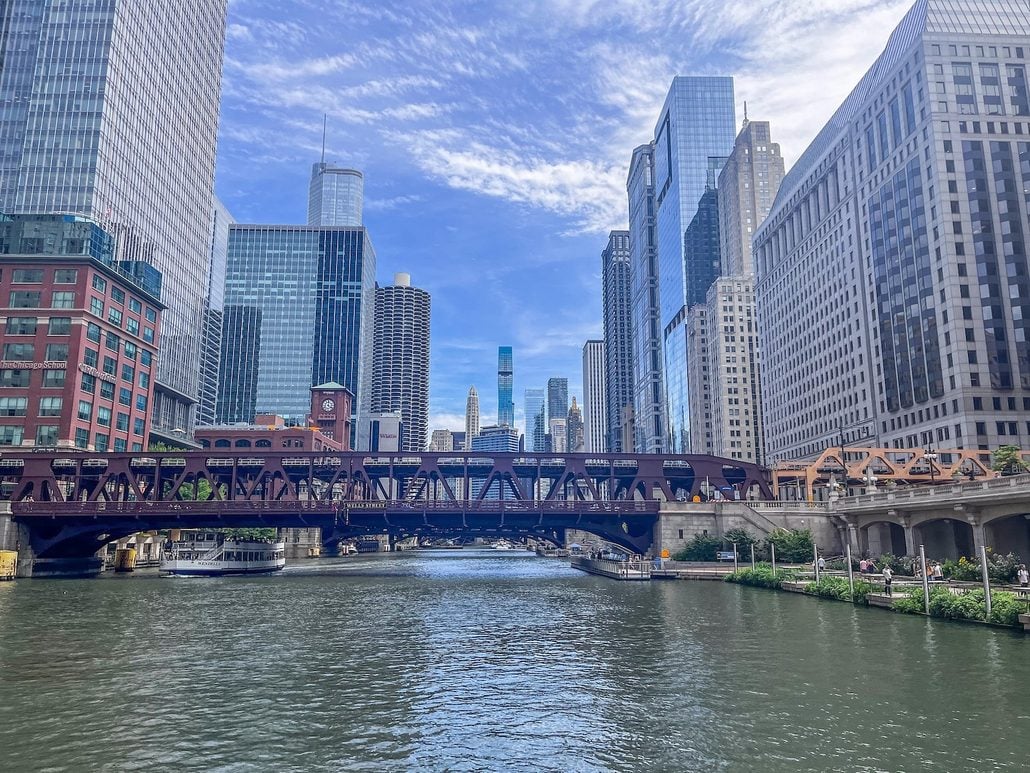
Most first-timers don’t realize the river has three branches, and that’s where the itineraries separate.
Main stem. The postcard stretch. Marina City, the Merchandise Mart, and the glassy wall of Wacker Drive. This is where you’ll take 90% of your photos and where every operator goes.
North Branch. Quieter, older, more warehouse than wow. If you like seeing how a city actually works, this is your section.
South Branch. The underrated one. You get the river bending away from downtown, rail infrastructure, and a sense of scale that the main stem flattens out.
A ninety-minute route that covers all three gives you a genuinely different city than a boat that loops the main stem twice. Ask before you book. That single question separates the good operators from the ones selling a photo op.
Pick your boat, or pick your tradeoff
The honest version: you’re choosing between three setups, and none of them is strictly best.
- Open-deck tour boats. Best sightlines, worst sun exposure. Bring a hat with a strap, because the wind takes anything loose.
- Enclosed vessels with big windows. Great in cold or drizzle. Glass reflections will wreck about a third of your shots.
- Small private charters. You control the route and the pace. You also pay for it, and you need a group to make the math work.
If I had one shot at this, I’d take the open deck on a clear evening. Blue hour, lights coming on, river turning copper. That’s the version people remember.
Timing, crowds, and the weather call
Departures cluster around late morning and early evening. Midday runs are hot and full. Early-evening runs are cooler, prettier, and busier, so book a few days in advance if you’re visiting in summer.
Weekday mornings in spring and fall are the quietest windows, and honestly my favorite. Fewer people elbowing for the rail. Better light, too.
Weather is the variable you can’t control, and the one people handle worst. A little rain is fine on an enclosed boat.
Wind is the real issue, and it cancels open-deck departures more often than storms do. If your trip is short, book your boat early in the visit, not on the last afternoon, so you have room to reschedule.
Where you sit matters more than which company you pick. Left side going out, right side coming back is the cliche, but it’s backward.
The guide will tell you which side has the better view for each stretch. Sit near the speaker. You’ll hear twice as much.
A five-question filter before you book
Run any tour operator through these and you’ll separate the serious ones fast.
- Which branches does the route cover, and how long is the actual water time?
- Is the departure open-deck, enclosed, or both?
- How far in advance can you cancel or move your slot?
- Is there a live guide, or a recorded narration?
- Where exactly does the boat leave from, and how long is the walk from the nearest transit stop?
That last one trips up more visitors than anything else. Downtown departures are convenient, but riverfront boarding points can be scattered. Check the address on a map before you commit, not after, and check for nearby parking availability if you’re planning to drive
Live guide beats recorded narration every time. A recorded track can’t answer the question you blurt out when a building surprises you, and it can’t adjust when a bridge lift stops the whole route for ten minutes.
Why this holds up if you’re already a cruise person
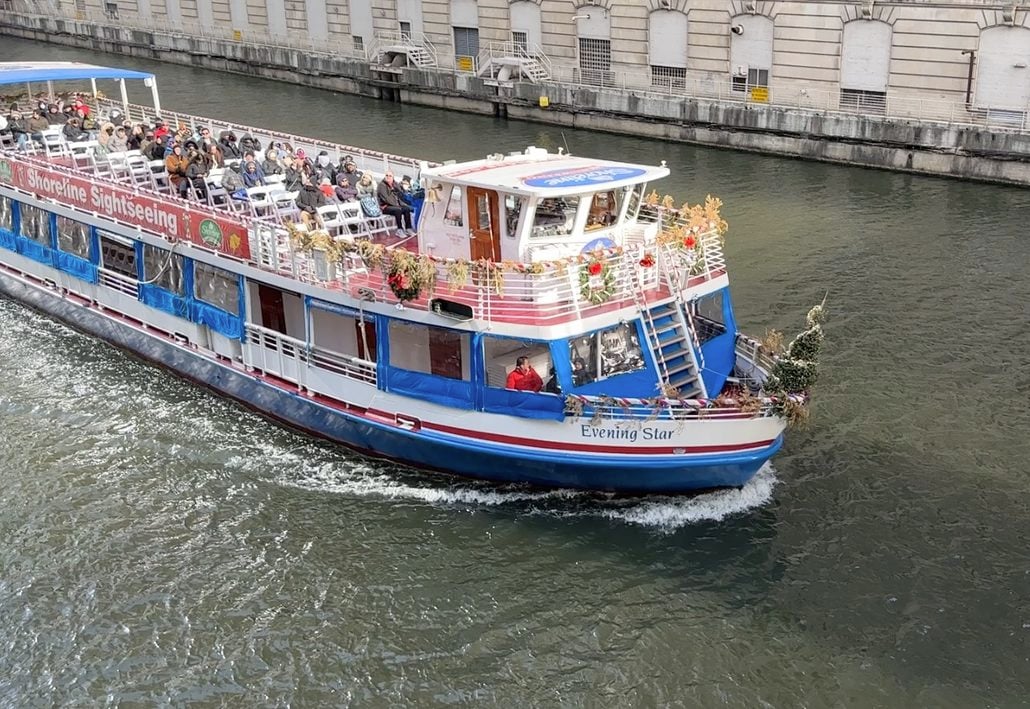
Cruisers already know the appeal of seeing a city from the water. You’ve stood at the rail pulling into port and watched the skyline assemble itself. That’s the same pleasure here, compressed into ninety minutes and one river instead of an ocean.
It’s also a smart shore-day structure for anyone extending a trip through the Midwest, and a natural fit for the kind of traveler who plans ports by what’s visible from the deck. The comparison I keep coming back to is design writing about how products and places get made, which is a lot of what the best guides actually do.
Book the chicago architecture boat tour that covers all three branches, sit near the speaker, and take the early evening slot if the calendar allows. You’ll see a side of the city most Loop walkers never see.
One last piece of practical advice. Spend five minutes before boarding on a rough sequence of what you want to see, because a narrated tour moves faster than you expect. First-timers miss half the buildings because they’re still photographing the previous one.
Pick three or four you care about and let the rest wash past you. You can always walk back to the ones that stuck.
Evening departures tend to get the best light and the calmest water, though they book out fastest on weekends from June through August.
For anyone budgeting for the trip, the broader travel sector continues to grow, and the Social Security Administration publishes cost-of-living figures that many retirees use when planning leisure travel, which are worth a look if you’re mapping out a longer itinerary in the Midwest.
So which matters more to you, the boat or the buildings? Sit with that for a second, then pick the departure that answers it.
My final parting words: bring a jacket! It really is the Windy City.
Read More: Chicago Residents Linked to Titanic