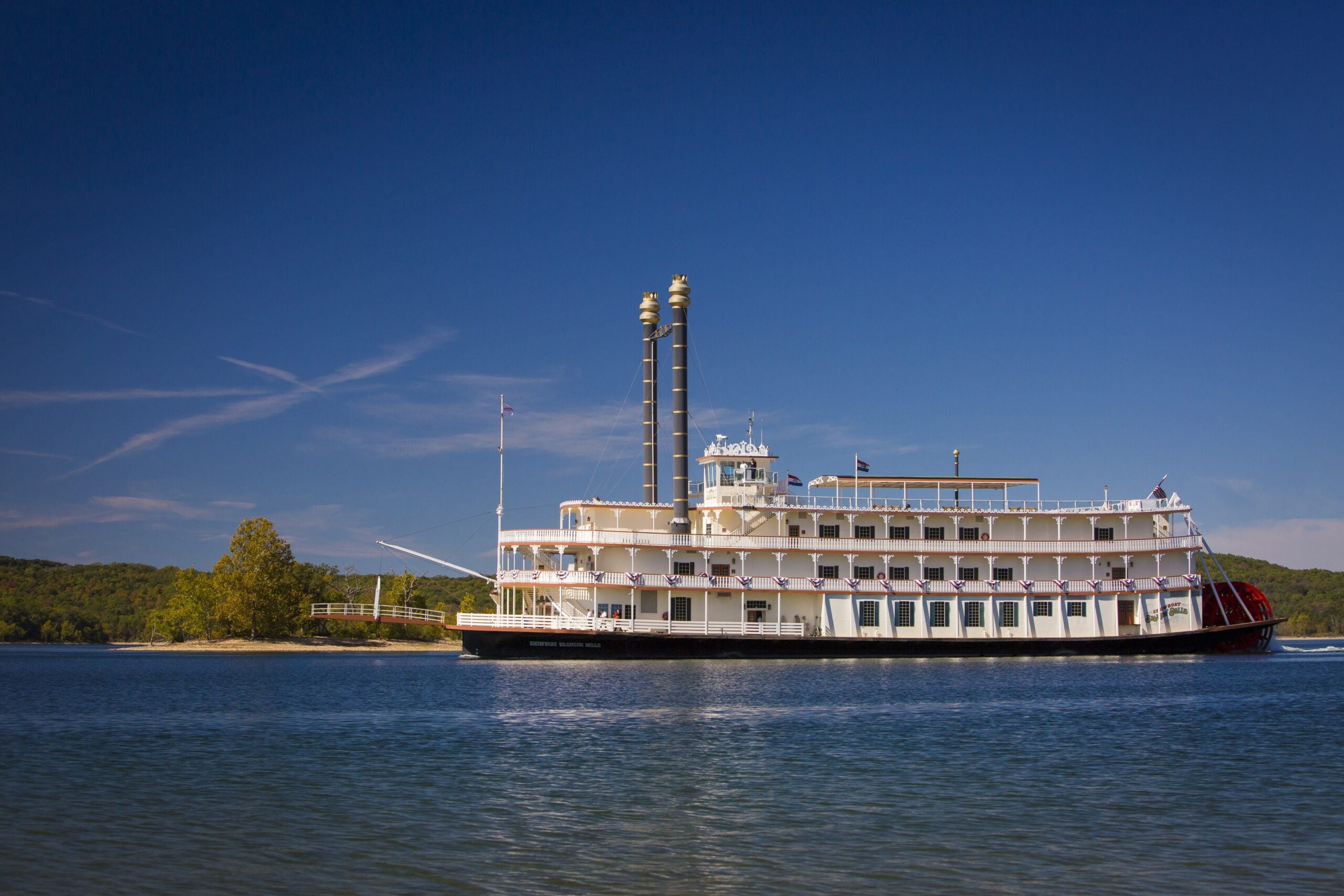
CFAR (Cancel For Any Reason) matters more on cruise bookings than any other vacation.

Cruise vacations require committing to a lot of money upfront across many vendors at once. For example, a family sailing from Miami may have already prepaid the cruise fare, flights, an airport hotel, transfers, shore excursions, and drink packages weeks before boarding. Canceling at the last minute can put thousands of dollars at risk.
That creates a cancellation risk profile unlike almost any other type of trip. Understanding how Cancel For Any Reason coverage fits into that picture can help you make a smarter decision before you book.
Key takeaways:
• CFAR can reimburse part of prepaid cruise costs when you cancel for reasons not covered by standard trip cancellation.
• Cruises bundle many prepaid pieces, so one disruption can affect the whole trip.
• CFAR has strict timing and documentation rules, so planning matters.
What CFAR is, and what it is not

CFAR is an optional trip-protection upgrade that can reimburse a portion of prepaid, nonrefundable trip costs even when your cancellation reason is not listed as “covered” under standard trip cancellation. Most standard policies cover specific events: serious illness, injury, death of a family member, or certain emergencies. CFAR steps in when your reason falls outside that list.
Reimbursement under CFAR is typically partial, often 50% to 75% of insured nonrefundable costs. It is not a full refund guarantee. Eligibility usually requires purchasing CFAR as an add-on to a base travel insurance policy, insuring the full trip cost, and buying within a set window after your first trip deposit. If you’re comparing options, Cancel For Any Reason cruise insurance is a useful reference point for understanding common CFAR rules.
Providers such as AXA Travel Insurance offer different coverage tiers and optional CFAR benefits, so comparing policy wording and eligibility requirements is just as important as comparing premiums.
How CFAR differs from standard cruise cancellation coverage

Standard trip cancellation typically pays only when you cancel for specific covered reasons such as serious illness, injury, or certain family emergencies, while CFAR can apply outside that list. That distinction matters more on a cruise than almost anywhere else.
Common reasons that standard coverage won’t touch: you changed your mind, a work conflict came up, you’re anxious about a long journey, or you simply don’t feel ready. CFAR covers those gaps.
The trade-offs are real though: higher premiums, a partial payout, and stricter purchase timing. Always read the definitions and exclusions carefully, especially language around pre-existing conditions, known events, and foreseeable circumstances.
Common CFAR rules that trip up cruisers
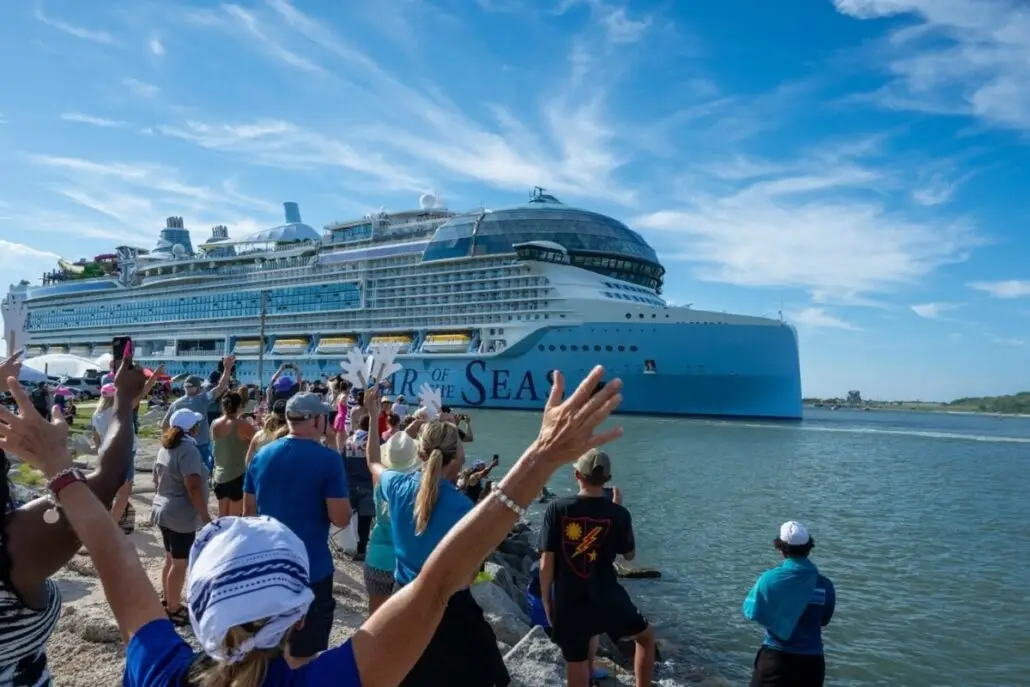
Many CFAR benefits require you to buy soon after the first trip payment and to cancel a minimum number of hours or days before departure to qualify. Missing either window can void your claim entirely.
Watch for these common pitfalls:
• Missing the purchase window after your initial deposit
• Underinsuring your trip cost (you must usually cover the full amount)
• Canceling too close to departure
• Incomplete or missing documentation
“Prepaid, nonrefundable” on a cruise can include your cruise fare deposit, prepaid gratuities, shore excursions, and pre-cruise hotel nights. Keep these documents on file: invoices from each vendor, cancellation confirmations, and credit card statements showing payment.
Why cruises amplify cancellation risk
Cruise vacations often concentrate multiple nonrefundable components into one timeline, so a single disruption can cascade across airfare, hotels, transfers, excursions, and the sailing itself. That bundled structure is what separates a cruise from a simple hotel booking.
Miss your flight, and you might miss embarkation entirely. Unlike a hotel stay, you can’t simply arrive the next morning. Once the ship leaves port, catching up may require expensive last-minute flights to the next port of call – or may not be possible at all. Cruise lines also enforce strict penalty schedules tied to final payment dates, with cancellation fees that increase as departure approaches.
Repositioning cruises, holiday sailings, group bookings, and back-to-back itineraries carry even less flexibility. Imagine a last-minute family issue or an unexpected work change the week before a 14-night sailing. The financial exposure is significant.
Prepaid add-ons add up fast onboard and ashore
Shore excursions, drink packages, specialty dining, and pre-cruise hotels are often prepaid and may be nonrefundable depending on the provider’s terms. Many cruisers forget to account for these when calculating their total at-risk costs.
Items to include in your full trip cost calculation:
• Airport and port transfers
• Pre- or post-cruise parking
• Third-party shore tours booked independently
• Flights to the departure city
• Pre-cruise hotel nights
For many travelers, these extras can easily represent $1,000 to $3,000 in addition to the cruise fare itself, making them an important part of the amount you choose to insure. Add these up door-to-door, not just the cruise fare.
Refund policies vary by vendor, so policy wording matters when it comes to what qualifies as insurable.
Medical and evacuation realities at sea (and why that affects decisions)
When you’re at sea, serious illness can mean shipboard care plus an off-ship transfer, and that possibility can influence whether travelers decide to cancel before departure. Ships have medical centers, but they are not full hospitals. Evacuation and repatriation from a remote location can be complex and costly.
For example, a medical evacuation from a ship sailing in Alaska or the South Pacific may involve helicopters, private aircraft, or transfers between multiple medical facilities before reaching appropriate care.
Some travelers choose to cancel early due to health uncertainty, even without a documented covered reason. That’s exactly the scenario where CFAR becomes relevant. One important reminder: CFAR addresses cancellation reimbursement only. Medical coverage and evacuation protection are separate categories and should be evaluated independently.
A practical decision checklist before you buy CFAR

CFAR is most relevant when your trip has high nonrefundable costs and your main worry is a cancellation scenario that would not qualify under standard covered-reason benefits. Before purchasing, work through these questions honestly.
Ask yourself:
• How much of my total trip cost is truly nonrefundable?
• How likely am I to cancel for a reason not on the covered list?
• How close am I to the final payment date?
Also consider alternatives: refundable airfare, cruise line protection plans, flexible hotel rates, or working with a travel advisor to negotiate better cancellation terms. If you do file a claim, expect to provide proof of all payments, proof of cancellation, and documentation of the timeline. If you’re unsure whether CFAR is right for you, read the policy certificate carefully and call with questions before you purchase.
When CFAR is usually worthwhile
CFAR tends to be most useful for travelers who want flexibility for personal or work reasons that are hard to document as a covered event. Unpredictable job schedules, caregiving responsibilities, and anxiety about long travel days are real factors that standard policies don’t address.
Whether it’s “worth it” depends on your risk tolerance and budget, not on marketing. One practical note: if your policy has a purchase window tied to your first deposit, buying early is not optional. It’s a requirement.
When CFAR may be unnecessary
If most of your costs are refundable or you can reschedule with minimal penalties, CFAR may add cost without adding much real protection. Fully refundable airfare, flexible hotel rates, and cruise fares with generous cancellation terms reduce your exposure significantly.
It’s worth pricing the “flexibility premium” of refundable bookings versus the cost of CFAR. Sometimes booking refundable is cheaper overall. For example, paying an extra $150 for fully refundable flights may provide better value than adding CFAR if most of your other travel arrangements are already flexible. Always check policy exclusions for known events and foreseeable circumstances before assuming coverage applies.
Frequently asked questions about Cancel For Any Reason cruise insurance

Does CFAR mean I get 100% back if I cancel?
No. CFAR typically reimburses a portion of your prepaid, nonrefundable costs, often between 50% and 75%. The exact percentage depends on the policy. Read the benefit summary carefully before assuming full reimbursement.
How soon do I need to buy CFAR after booking a cruise?
Most CFAR add-ons must be purchased within a set number of days after your first trip deposit, commonly 10 to 21 days. Missing that window usually means CFAR is no longer available for that booking, regardless of how far out your sailing is.
What counts as “prepaid, nonrefundable” for a cruise trip?
It typically includes your cruise fare deposit, prepaid gratuities, shore excursions, specialty dining, drink packages, pre-cruise hotels, and flights. Any cost you’ve paid in advance that the vendor will not refund if you cancel qualifies, subject to your policy’s definitions.
Is CFAR the same as “cancel for work reasons” coverage?
No. Some standard policies include work-related covered reasons, such as being required to work by an employer. CFAR is broader: it applies when you cancel for any reason not otherwise covered, including personal decisions with no required documentation of cause. Check both categories when comparing policies.