An Italy group trip works well in seven to ten days with Rome first, Florence in the middle and Venice last. Stay in just three hotels.
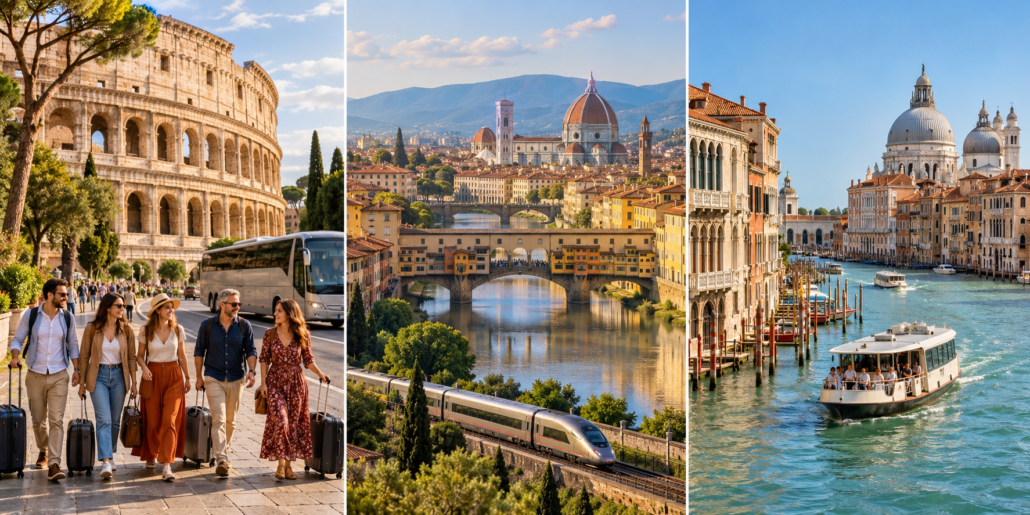
Take direct trains between the cities, then book road transport for an airport arrival or a day out in Tuscany if the group needs it. With a week, Florence gets a brief visit; ten days gives it room for a proper stay.
Before anyone books a flight, settle the less glamorous questions. Can everyone carry their case up steps? Who needs a twin room? Does the group want art galleries, long lunches or a bit of both? Those answers will shape a group trip in Italy more than another list of famous sights.
Plan the Rome Florence Venice route around nights
Seven days means six hotel nights when arrival and departure fall within that week. Give Rome three, Florence one and Venice two. Florence is the squeeze here: a morning arrival helps, but there’s still only part of one day before the next move.
For ten days, the split becomes four nights in Rome, three in Florence and two in Venice. That Italy itinerary for groups leaves space for breakfast without a suitcase beside the table. It’s a better fit for a family that needs afternoon rests or friends who want to see Tuscany.
| Trip length | Suggested nights and pace |
| 7 days, 6 nights | Rome 3, Florence 1, Venice 2; one main paid visit per city |
| 8 days, 7 nights | Rome 3, Florence 2, Venice 2; a full day in Florence |
| 9 days, 8 nights | Rome 3, Florence 3, Venice 2; room for a Tuscan outing |
| 10 days, 9 nights | Rome 4, Florence 3, Venice 2; an extra unhurried Rome day |
Where flights allow, arrive in Rome and leave from Venice. Compare the total cost with return flights, including any final transfer back to Rome. A cheaper airfare can lose its appeal once everyone needs another train ticket and an extra hotel night.
How to get between Rome, Florence and Venice

A fast train is an easy answer for friends with small cases and hotels near the stations. The high-speed train versus coach comparison changes once the plan includes a rural hotel, several pick-ups or a lunch stop outside town.
Rome to Florence takes roughly an hour and a half, while Florence to Venice is around two to two and a half hours, depending on the service. Check the actual departure before booking.
For those days, compare a charter quotation with the train fares and the transfers at either end. BCS Bus arranges bus charter and coach hire across Italy through vetted local carriers, with pick-ups at hotels and airports, for anything from small groups to full tour parties.
The company acts as a transport management partner; the local carrier operates the journey. Send the planned stops when requesting a quote, including the hotel addresses. Hotel pick-up is useful, but the entrance on the booking confirmation may face a street that a coach cannot use.
For a charter bus in Italy, don’t select the vehicle by seat count alone. Twelve passengers with twelve large cases may need more luggage space than a small vehicle provides. Send the bag count and dimensions of any pushchair or mobility equipment, then ask for capacity to be confirmed.
There’s no need to use one form of transport throughout. Take the train to Florence, spend two days on foot, and use a charter for the countryside outing. This avoids paying to keep a coach available while everyone is inside a gallery.
Quotes for coach hire in Italy need a little reading. Are tolls, access permits and parking included? What happens if lunch runs late? If the vehicle and driver stay overnight, check the accommodation arrangements too. A transfer booking ends at the agreed destination unless further service has been arranged.
Moving through Italy with luggage and hotel pick-ups
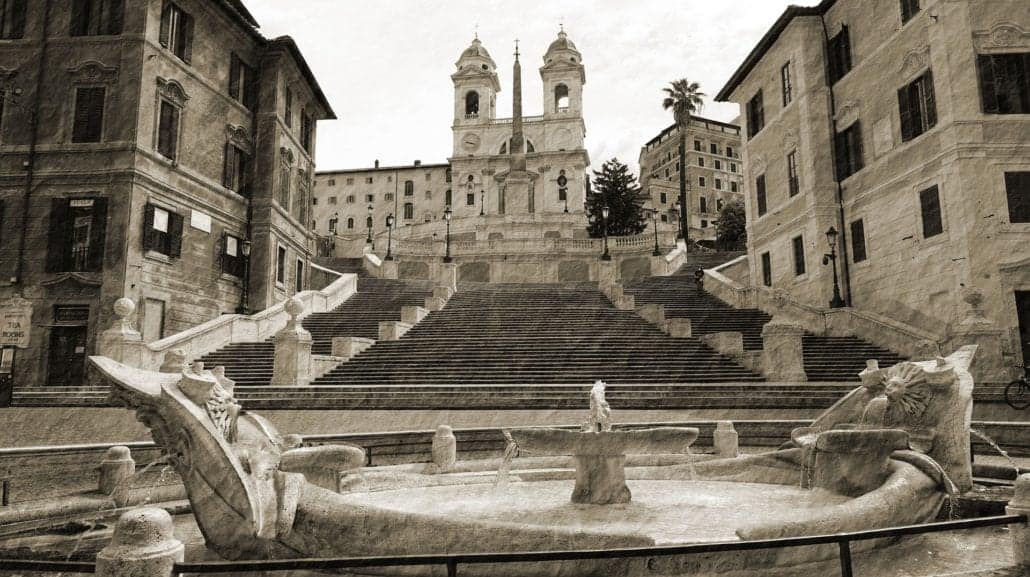
Book the rail party together where possible and look at the seats allocated before the travel day. Give everyone one meeting point at the station, with the address saved on their phone. Bags still have to be carried aboard and stowed; the departure time isn’t the time to arrive at the entrance.
Use station names precisely: Roma Termini, Firenze Santa Maria Novella and Venezia Santa Lucia are useful central arrival points for this route. Venezia Mestre is on the mainland, so it isn’t interchangeable with Santa Lucia when the hotel is in historic Venice. Check what the selected train actually serves.
For airport transfers in Rome, name the airport: Fiumicino and Ciampino are different arrivals. The transport contact needs flight numbers, not just an expected landing time. If friends land hours apart, price separate transfers before asking the first arrivals to wait with their cases.
Before confirming a road transfer, send these details:
- The final passenger count, including children who need seats.
- The number and size of suitcases, plus any bulky equipment.
- Hotel addresses and the agreed legal boarding points.
- Child-seat or accessibility requirements for confirmation.
- A lead passenger’s contact number and the planned departure time.
Check those details against the confirmation while changes are still possible. Passports and medication belong in a small bag that stays with its owner, rather than in a case loaded out of reach.
Historic centre restrictions need a separate check. Under Rome’s official tourist-coach rules, ZTL BUS C excludes tourist coaches except for specific authorised exemptions. Florence’s municipal tourism guidance requires bus permits, approved routes and designated boarding points.
Venice’s official ZTL BUS guidance also limits boarding and parking to authorised areas. Don’t expect unrestricted coach access to historic centres; confirm the legal drop-off point and the remaining walk or boat journey before choosing a hotel.
Venice needs a closer look at the last stretch. Ask the hotel how many bridges and steps lie between the arrival point and reception. “Ten minutes away” tells very little about that walk with a pushchair and two cases. Luggage assistance or an onward water transfer may be worth arranging before arrival.
A seven-day Italy group trip outline

The week below includes the flight days. It assumes arrival in Rome on day one and departure from Venice on day seven, with six nights in between. Swap sightseeing days when an opening schedule or available ticket requires it; the overnight stops matter more than the order of the museums.
- Day 1 – Arrive in Rome. Leave bags at the hotel, eat nearby and take a short walk if everyone feels ready. Keep the evening free of prepaid activities because flight delays and tired children can change the plan.
- Day 2 – Explore ancient Rome. Make the Colosseum and Forum area the day’s main focus, with any required admission booked ahead. Leave time for lunch and a rest before an optional evening walk around Monti.
- Day 3 – Choose the Vatican or more of Rome. Groups interested in the Vatican Museums should give them a substantial part of the day. Others can explore neighbourhood streets and squares, then meet for a reserved dinner.
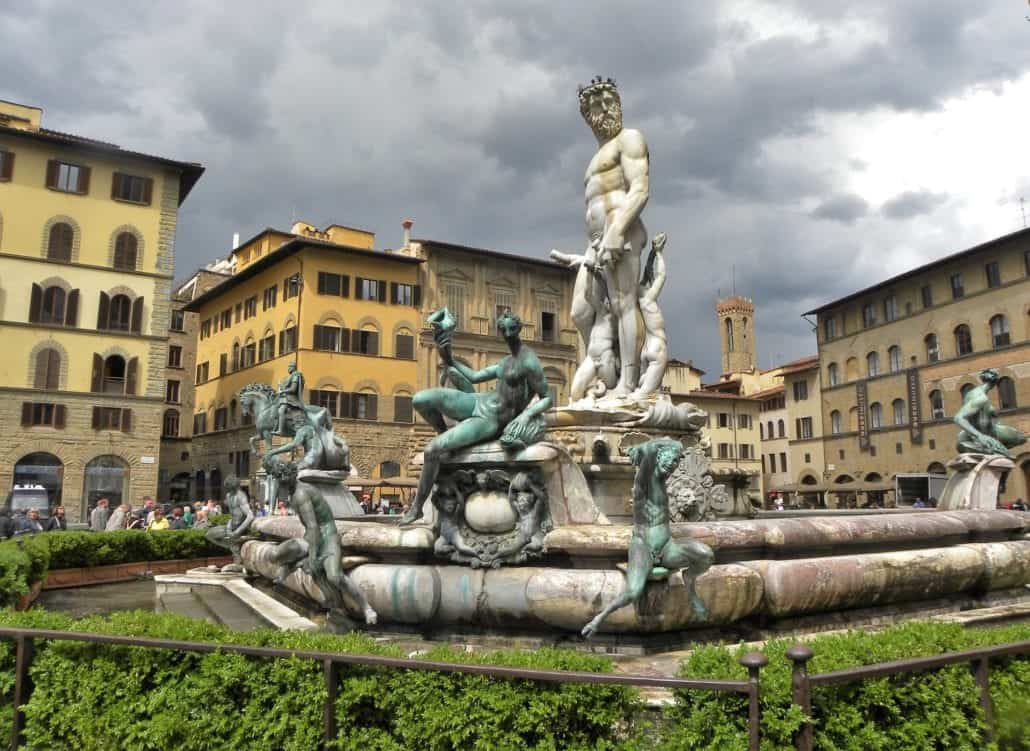
- Day 4 – Travel to Florence. Take a morning service or arrange an early road departure. Confirm luggage storage before check-in, then explore the cathedral surroundings and Ponte Vecchio. Choose one booked interior visit only if arrival timing allows.
- Day 5 – Continue to Venice. Leave enough time for breakfast and the station transfer. After arrival, follow the hotel’s luggage directions. Spend the afternoon in the surrounding neighbourhood rather than crossing the city for another appointment.
- Day 6 – Spend a full day in Venice. Choose a visit around St Mark’s, then leave the afternoon for a slower walk through Cannaregio or Dorsoduro. Set a meeting place before people separate for galleries, shopping or lunch.
- Day 7 – Depart from Venice. Work backwards from the flight time and confirm the first leg from the hotel. A water journey or walk to a road transfer must be included, rather than treating the coach pick-up as the start of travel.
This version gives Rome two full sightseeing days and Venice one. Florence is the compromise: anyone who wants both major art galleries and a countryside excursion should add nights there.
Extend the Italy trip to eight, nine or ten days

An extra night in Florence does more for this week than a fourth city would. Nobody has to repack, and there’s time for a gallery visit without watching the clock for a train. Add the spare days to the existing stays as follows.
| Extra day | Base | Suggested use | Transport consequence |
| Day 8 | Florence | A full city day for art or gardens | No extra transfer |
| Day 9 | Florence | One Tuscan town or countryside lunch | Compare a charter with public transport |
| Day 10 | Rome | Another neighbourhood or a missed sight | No extra transfer |
Insert these days into the relevant stay; they aren’t extra journeys after Venice. On the ten-day version, leave Rome on day five, Florence on day eight and Venice on day ten.
For the Tuscan outing, settle on one main destination. Siena suits a day spent walking around a town; a countryside lunch suits a party that wants more time at the table. Have the transport coordinator check access and stopping arrangements at the actual venue. Two more hill towns on the same day would make this a very different excursion.
Friends may welcome a free afternoon with a dinner meeting point. A family might use it for a park and an early meal. A small tour party can offer one optional visit without making the whole group attend. Those choices belong in the itinerary before deposits are paid.
Choose the season for Rome, Florence and Venice
In summer, a long walk through Rome belongs earlier in the day. Leave a gap for lunch and a rest, especially after a morning among exposed ruins. Check air conditioning for the booked room types and any chartered vehicle. Transfer days need somewhere to wait too, if check-out comes well before boarding.
Spring and autumn are worth considering for this route, though neither promises empty galleries. Look up Easter, school holidays and events on the chosen dates. Check rooms in all three cities at once; finding a suitable Rome hotel doesn’t help if the Venice stay then exceeds the group’s budget.
In winter, have an indoor alternative for a wet afternoon. It needn’t be another major museum: a longer lunch or a smaller exhibition may suit the group better. Check opening arrangements before promising either. Leave outdoor viewpoints for a clear spell instead of tying them to a rigid hour.
Finalise the Italy group trip before booking
For a seven-day Italy group trip, book three nights in Rome, one in Florence and two in Venice. Use direct trains for the two city legs if everyone can handle their bags. With ten days, increase Rome to four nights and Florence to three, keeping Venice at two.
The final booking check is specific to this Italy group trip: luggage storage in Florence, a legal coach boarding point wherever road transport is used, and a workable route to the Venice hotel. Arrange the Tuscan charter only if that outing is included. Then reserve the major visits around the confirmed travel days.
Read More: 9 Popular Shore Excursions in Naples, Italy